

You've seen the marketing: "Travel solo, but never feel alone!" and "Where strangers become lifelong friends!" But after booking that group trip to Thailand, you spent most dinners scrolling your phone while your "new travel family" made awkward small talk about the weather.
The travel industry has caught onto what solo travelers actually want: not just safe group travel, but genuine connections. Some companies are calling this the "friendship kit" approach, intentionally designed trips that help you meet people you'd actually want to hang out with at home.
But what actually makes these friendship-focused trips work? After looking at dozens of solo travel experiences, I've identified the key elements that separate real connection-building from clever marketing.
What Makes a Solo Travel Friendship Kit Actually Work
The best solo travel friendship experiences share three key elements that most companies completely miss:
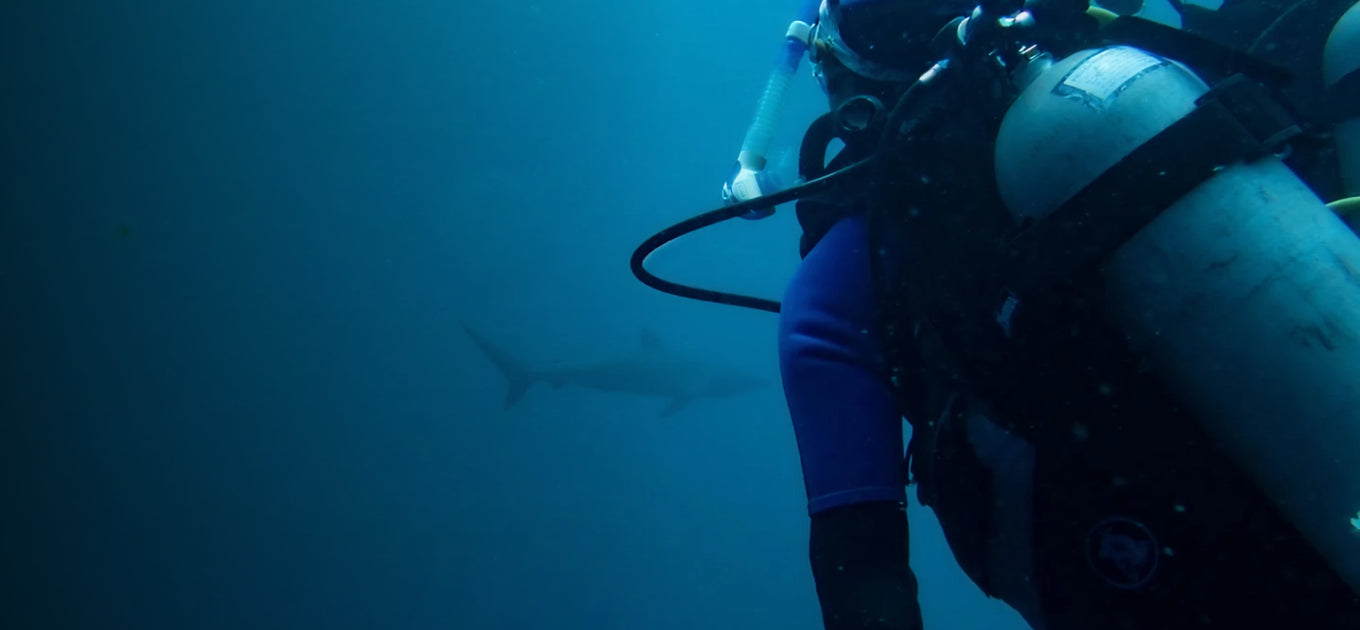
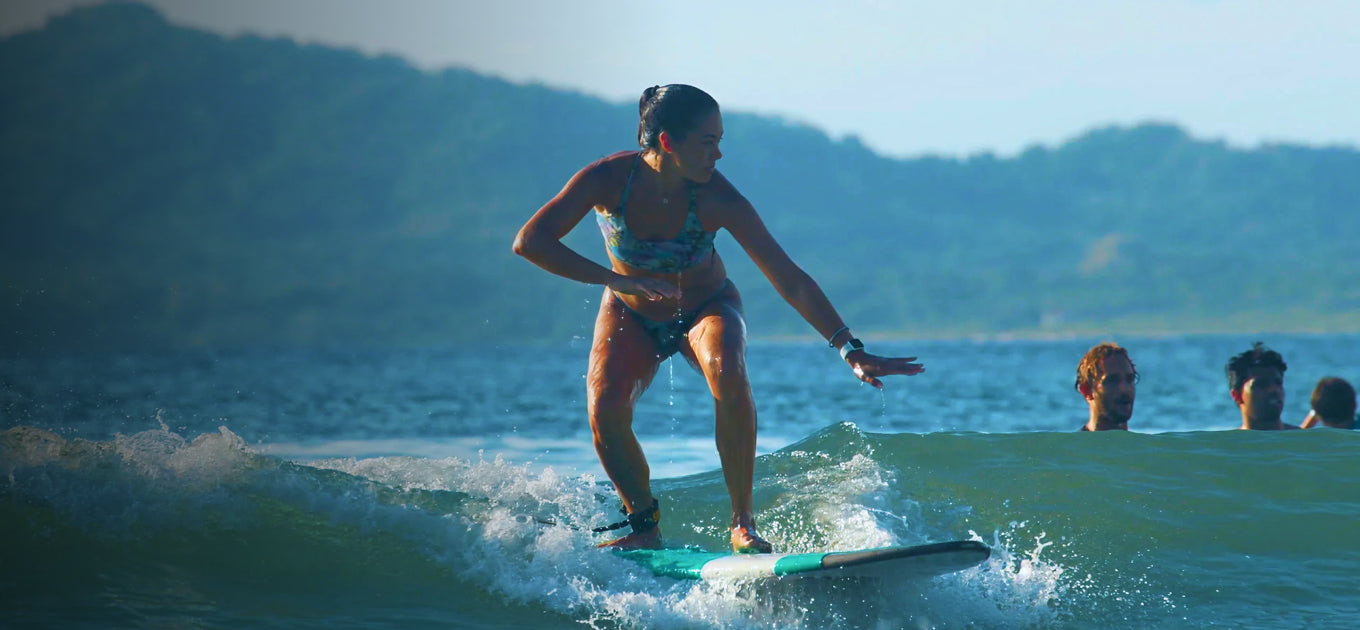
Shared learning experiences. You don't bond over bus rides and hotel lobbies. You bond while learning to surf together, failing at cooking classes, or celebrating your first successful scuba dive. The activity creates natural conversation starters and shared memories.
Right group chemistry. This isn't about age ranges, it's about life stages and travel styles. A group of career-focused 28-year-olds will click differently than a mix of gap year kids and early retirees, even if they're all technically "young travelers."
Enough time to actually connect. Rushing through 8 cities in 10 days gives you Instagram content, not friendships. The best connections happen during downtime: beach afternoons, long dinners, or just hanging out without a scheduled activity.
The Essential Elements of Friendship-Focused Travel
Group Size Sweet Spot
After analyzing successful travel friendship experiences, the magic number is 4-12 people. Here's why:
4-8 people: Everyone talks to everyone. No one gets left out. Conversations happen naturally without forced ice breakers. Perfect for skill-based trips like diving or surfing.
10-12 people: Still manageable with skilled leadership. Allows for some subgroup formation while maintaining overall group cohesion. Good for adventure travel or cultural immersion.
15+ people: Almost guarantees clique formation. Someone always gets left out. Conversations become surface-level networking rather than genuine connection.
The Creator-Led Advantage
The most successful friendship-building travel experiences are led by people who genuinely live the lifestyle they're sharing. When your trip leader isn't rotating through scripted tours but actually passionate about the destination or activity, it creates authentic enthusiasm that's contagious.
For example, learning to dive in Moalboal with a creator who's been diving these waters for years means you're not just checking "scuba diving" off your bucket list. You're learning from someone who can show you the hidden coral gardens and knows which dive sites have the best turtle encounters.
This authentic expertise creates natural conversation topics and shared excitement that goes way beyond "Where are you from?" small talk.

Single-Destination Deep Dives
The friendship kit approach works best when you're not constantly packing and unpacking. Spending a full week in one place allows for:
Routine development: You develop little traditions together—morning coffee spots, favorite dinner places, inside jokes about the local customs.
Skill progression: Whether it's surfing, diving, or photography, you improve together. There's something bonding about celebrating each other's breakthroughs and laughing about shared struggles.
Unstructured time: The best travel friendships form during the hours between activities. Beach conversations, lazy afternoons, spontaneous explorations happen when you're not rushing to catch the next bus.
Red Flags in Friendship-Focused Travel Marketing
Generic "family" language. If every marketing photo shows people with their arms around strangers looking artificially ecstatic, they're selling an Instagram moment, not real connections.
Vague demographic targeting. "Perfect for millennials!" could mean anyone from 25-40. That's a huge range in terms of life stages and what people want from travel friendships.
Overpacked itineraries. If you're visiting 6 countries in 10 days, you'll be too exhausted to form meaningful connections. Friendship requires downtime.
No leader consistency. Rotating guides and leaders mean no one's invested in the group dynamic. The best friendship building happens when someone who genuinely cares about the group experience is leading.
Focus on quantity over quality. Companies bragging about group sizes of 20-30 people aren't optimizing for friendship formation—they're optimizing for revenue per trip.

What Your Friendship Kit Should Actually Include
Look beyond the marketing fluff to see what companies actually provide for connection building:
Pre-trip communication. Good operators facilitate introductions before you travel, whether through group chats, video calls, or shared planning platforms. You should know something about your travel companions before you meet them at the airport.
Shared learning experiences. Cooking classes, surf lessons, diving certification, language basics: activities where everyone starts as a beginner create natural bonding opportunities. There's something equalizing about everyone being bad at something together.
Unstructured time built in. The best travel friendships form during lazy beach afternoons, long dinners, or coffee shop conversations, not during scheduled "bonding activities." Look for itineraries with intentional free time.
Accommodation that encourages interaction. Shared villas or guesthouses with common areas work better for friendship building than everyone in separate hotel rooms. You want spaces where people naturally gather.
Follow-up support. Some companies provide ways to stay connected post-trip, from alumni networks to future trip discounts for returning groups. The friendship shouldn't end when you get home.
The Psychology of Travel Friendships
Travel friendships form differently than everyday friendships. The shared adventure creates accelerated bonding—you skip months of casual acquaintance and jump straight into meaningful experiences together.
Vulnerability creates connection. Whether it's admitting you're terrified of deep water before your first scuba dive or struggling with a new language together, showing your imperfect human side creates deeper bonds than small talk ever could.
Shared challenges build trust. Navigating a difficult hike together, supporting each other through seasickness, or celebrating someone's first successful wave catch—these moments create mutual respect and genuine affection.
Novel experiences enhance memory. Psychologically, we remember novel experiences more vividly than routine ones. The friendships formed during unique adventures feel more significant because the memories are so rich.
Alternative Ways to Build Travel Friendships
Group travel isn't the only way to make friends while exploring the world. Consider these options:
Skill-based travel communities. Surf camps, diving centers, yoga retreats, and cooking schools naturally attract people with shared interests. The learning component gives you common ground immediately.
Co-working and travel programs. Digital nomad meetups, co-working spaces, and remote work retreats attract career-focused travelers looking for both productivity and social connections.
Activity-focused hostels. Some hostels specialize in specific activities—surf hostels, party hostels, cultural immersion hostels—which helps filter for travelers with similar priorities.
Local classes and workshops. Language exchanges, cooking classes, art workshops, and fitness classes in your destination city are great ways to meet both locals and fellow travelers.

How to Evaluate If a Friendship Kit Will Work for You
Look at actual group photos. Do people look naturally engaged or posed for marketing? Are they doing activities together or just standing in tourist formation?
Read reviews for relationship mentions. Skip the "amazing trip!" reviews and look for specific mentions of staying in touch with fellow travelers or meeting up again.
Check the leader's background. Is this someone who rotates between destinations reading scripts, or do they have genuine expertise and passion for the experience they're leading?
Understand the pre-trip process. How much effort does the company put into group introductions, setting expectations, and facilitating early connections?
Ask about group demographics. Not just age ranges, but life stages, travel experience levels, and what draws people to that specific trip style.
Evaluate the skill component. The best friendship-building trips have a learning element that gives everyone common ground and shared goals.
Setting Realistic Expectations for Travel Friendships
Even the best friendship kit can't guarantee you'll meet your travel soulmate. Chemistry is unpredictable, and sometimes you'll click with people, sometimes you won't.
But here's what you can reasonably expect from well-designed friendship-focused travel:
At least one meaningful connection. In a group of 6-10 carefully curated people sharing intense experiences, you'll likely find at least one person you genuinely click with.
Expanded comfort zone. Even if you don't make lifelong friends, you'll get better at connecting with strangers and more confident in social situations.
Shared references and inside jokes. The experience itself becomes a bonding mechanism. You'll have stories and memories that only that specific group shares.
Potential for future adventures. Many travel friendships continue through future trips together, even if you don't stay in daily contact.
The Reality About Travel Friendships
The companies that are genuinely good at facilitating travel friendships understand that friendship can't be forced. They create conditions where connections can happen naturally through shared challenges, common interests, and enough unstructured time for real conversations.
The key is choosing trips where you genuinely want to do the activities and learn the skills, regardless of who else shows up. When everyone's there because they actually want to master surfing or explore underwater caves, rather than just "meet people," the friendships that form feel more authentic and tend to last longer.
Your solo travel friendship kit should feel like joining a group of people you'd naturally gravitate toward anyway—just in an incredible destination, doing something you've always wanted


