
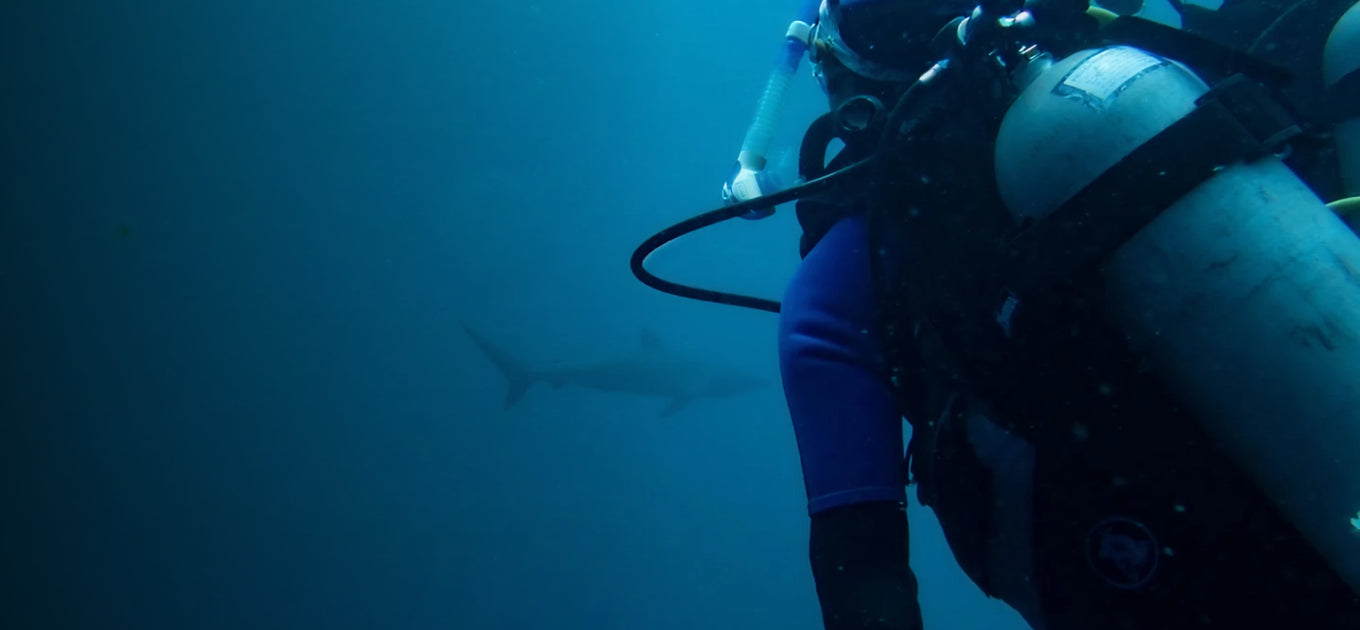


Eight days is the sweet spot for a trip that changes something, because it is long enough to learn a real skill and form genuine friendships, but short enough to fit around a job and stay affordable. A weekend barely gets you past the awkward first-day nerves. Two weeks starts to feel like a leave of absence most people cannot take. Eight days, seven nights, is the length where a group of strangers becomes a group and a beginner becomes someone who surfs or dives. It is a deliberate choice, not a round number.
Think about how a weekend trip actually goes. Day one is travel and figuring out where things are. Day two you finally relax. Day three you are already packing. (You came back tired, not changed. The Sunday scaries won.)
Key Takeaways
- Eight days is long enough to learn a skill and form real friendships, short enough to fit a normal life.
- Weekends are dominated by arrival friction; you leave just as the good part begins.
- Very long trips raise the cost and the time-off barrier, which stops most people from ever going.
- Friendship research points to a threshold of shared hours that a week of full days can actually cross.
- The length is a design decision aimed at real change, not a logistics default.
Why Is a Weekend Not Enough?
Because the first day of any trip is mostly friction. You travel, you orient, you meet people you do not know yet, and your nervous system spends the day adjusting. On a weekend, by the time that settles, you are checking out. You never reach the part where the skill clicks or the group gels. You get a change of scenery and a tired Monday, which is a nice break but not a reset.
Learning follows the same curve. A single lesson teaches you the basics and a lot of humility. It takes several days of daily practice before a surfer stands up on a green wave or a diver stops thinking about their breathing. A weekend ends right when that breakthrough would happen.

Why Not Just Go for Two or Three Weeks?
Because the longer a trip gets, the fewer people can actually take it. Time off work, cost, and life logistics all scale with length, and past a point they become the reason someone never books at all. The best trip in the world does nothing for you if the length makes it impossible to attend. Eight days asks for a single week of leave, which most jobs allow and most budgets can plan for.
There is also a focus argument. A tight, single-destination week keeps the intensity high: one place, one hobby, one group, no travel days eating the middle. Stretch it to three weeks and it drifts toward a holiday, with the momentum diluted across more logistics and downtime. The concentration is part of what makes the week land.
| Length | What happens | The catch |
|---|---|---|
| A weekend | Arrival friction, then you leave | You go home tired, not changed |
| Eight days | Skill clicks, group gels, you reset | Requires one week of leave |
| Two-plus weeks | Deep immersion | Cost and time-off stop most people going |
What Does the Research Say About Time and Friendship?
That connection runs on shared hours. Jeffrey Hall's University of Kansas research found it takes roughly 50 hours of shared time to turn an acquaintance into a casual friend. A weekend cannot get close. But eight days of full days together, surfing, eating, and hanging out, stacks those hours fast, which is why people leave these trips with friendships that outlast the tan. Priya Parker's The Art of Gathering (2018) adds the other half: a group of 5 to 12 people is the size where that bonding actually happens, small enough that nobody disappears.
Put the two together, enough days and the right group size, and you get the camp effect: an intense, hobby-based week that feels like summer camp did, friendships included. That is the whole point of the format, and it is why the number is eight and not two.
Is It Really Enough Time to Change Anything?
For the things that matter on a trip like this, yes. You will not become an expert surfer in a week, and nobody promises you will. What you will do is become someone who surfs, make a handful of real friends, and break the work-sleep-repeat loop long enough to see your own life from the outside. That combination, a new skill, new people, and a genuine pattern interrupt, is what people actually mean when they say a trip changed them.
If you have been circling the idea and never booking, our guide to why you keep not booking the trip is about exactly that stuckness. The trips themselves, one destination, one hobby, 8 days and 7 nights, live on the YFAB trips page.
Frequently Asked Questions
Why are the trips 8 days long?
Because eight days is long enough to learn a real skill and form genuine friendships, yet short enough to fit around a job and a budget. It is the sweet spot between a too-short weekend and a too-long expedition.
Is a weekend trip enough to relax?
For a light break, sure. But a weekend is dominated by travel and orientation, so you leave just as the good part begins. It rarely delivers a real reset or a skill breakthrough.
Why not take a longer trip?
Longer trips cost more and demand more time off, which is exactly what stops most people from ever going. Eight days needs a single week of leave, keeping the trip actually attainable.
How long does it take to learn to surf or dive on a trip?
Several days of daily practice is usually when it clicks: a surfer catching a green wave, a diver relaxing underwater. That is why a week works and a weekend does not.
How does trip length affect making friends?
Friendship runs on shared hours, and research suggests roughly 50 hours turns acquaintances into friends. Eight days of full days together crosses that threshold; a weekend cannot.
Will 8 days really change anything for me?
It will not make you an expert, but it can make you someone who surfs or dives, with new friends and a genuine break from routine. That mix is what most people mean by a trip that changed them.


