
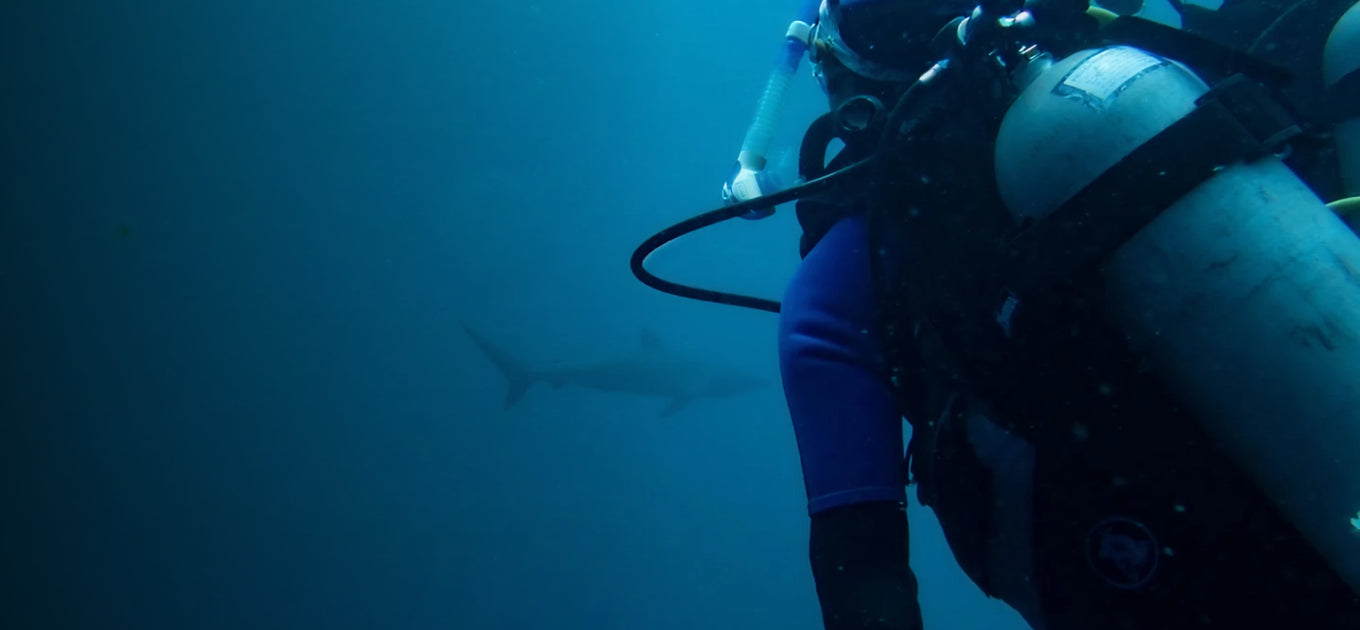
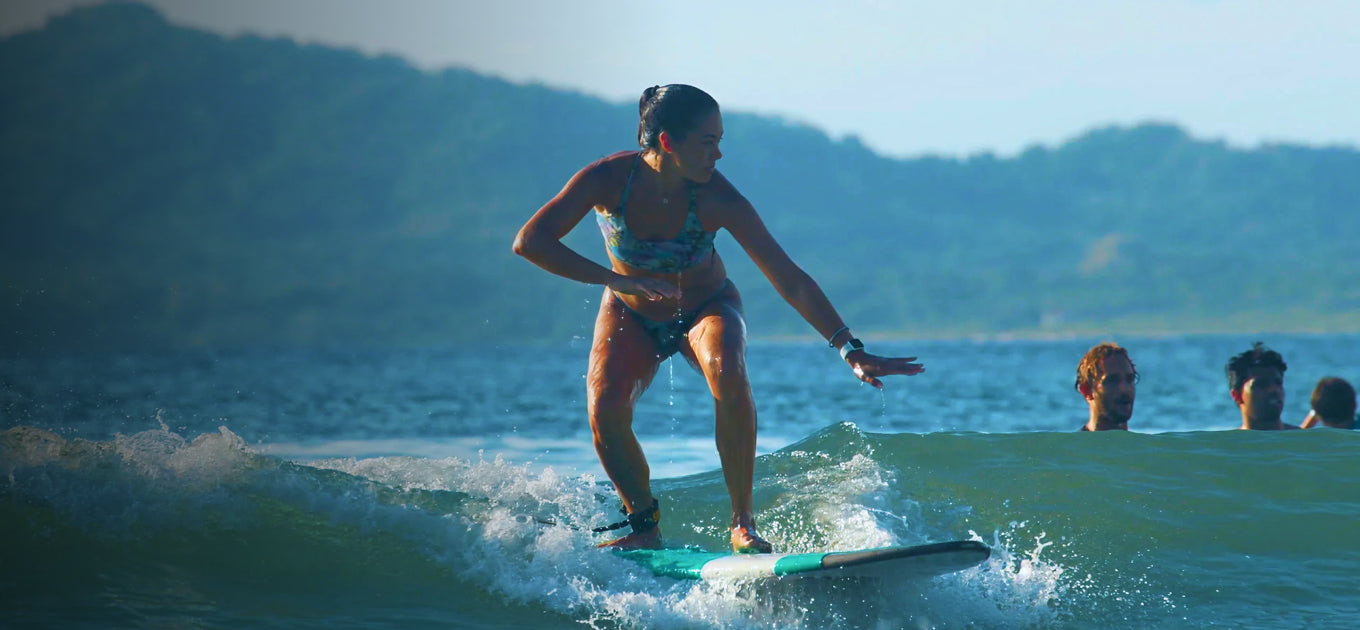

The PADI Open Water course in Koh Tao, Thailand takes a total beginner from never having breathed underwater to a certified diver cleared to 18 m, and PADI says the course needs only three to four days, so an 8 days / 7 nights trip leaves room to dive for fun once you are certified. The course has three parts: knowledge development (the theory), confined water sessions (a pool or pool-like shallows) and four open water dives in the sea. It is built for people with zero experience.
Here is what nobody puts in the brochure. On the first morning you will sit in a classroom watching videos about pressure while a beach sits right outside the door. By the third day you will be 12 m under that beach, breathing like it is normal, wondering why you spent six years saying "I could never do that". (You could. You just needed someone to book the boat.)
Key Takeaways
- PADI Open Water has three parts: knowledge development, confined water sessions and four open water dives, with a certified depth limit of 18 m.
- PADI puts the course at three to four days, so a week in Koh Tao includes fun dives after certification.
- On the YFAB Koh Tao trip the group stays at The Dearly dive resort in Chalok Baan Kao, with full equipment and dive insurance included.
- The last full day is dry on purpose (a day trip to Koh Nang Yuan), because nobody dives the day before flying.
What Does the First Day of the Course Actually Look Like?
The first day of PADI Open Water is mostly theory, then the pool, and it is far less scary than the word "scuba" suggests. Knowledge development is short videos and a manual: how pressure changes your body, how the gear works, why you never hold your breath on the way up. PADI lets you do it as eLearning before you arrive, which on our dive trips is the move we push hardest, because it gets you wet faster.
Then the confined water session, the part beginners dread and then immediately forget to dread. You put the full kit on in chest-deep water and practice the basics: clearing a flooded mask, recovering a regulator that slipped out of your mouth, hovering without touching the bottom. Every skill exists to prove to your brain that the thing it fears is a small, fixable problem. You copy the instructor, then repeat until it is boring. Boring is the goal. (The first breath underwater is a little Darth Vader. Ten breaths later it is normal.)
When Do You Do Your First Real Dive?
Your first open water dive normally comes on day two or three of the course, and PADI limits open water dives one and two to a maximum depth of 12 m. Deep enough to feel like an achievement, shallow enough that the boat is a short ascent away. You repeat a few pool skills on the sand, then you swim.
This is the moment the week turns. The first dive is not about fish. It is about the silence, the slow-motion feeling, your brain filing an urgent complaint about how this should not be possible. On our dive trips this is the evening the group gets loud at dinner. Everyone retells a 40 minute dive as if it were a season finale.
Koh Tao is set up for this. PADI's destination guide for the island describes warm tropical water year-round (high 20s Celsius), and the Tourism Authority of Thailand lists Koh Tao among the country's main dive-training destinations. Warm water matters: cold is the enemy of calm, and calm is the whole game.
Where Do You Stay and Who Teaches You?
On the YFAB Koh Tao trip the group stays at The Dearly, a dive resort in Chalok Baan Kao, the quieter bay on the south of the island, in a shared dorm booked out entirely for the group. Dive resort means the classroom, the gear room, the boat and your bed are all in one place. You roll out of the dorm, eat, walk to the briefing.

Full equipment and dive insurance are included, so you bring a swimsuit and a willingness to look slightly ridiculous in a wetsuit. The Dearly's instructors run the Open Water course for the beginners while the certified divers head out on fun dives across the island's best sites. Your trip leader, a creator who turned diving into a life rather than a job, handles the bit nobody teaches: who to sit with at dinner, how to laugh off the mask you flooded, when to go to bed so the 7am boat does not hurt.
The group is 5 to 12 people, including the trip leader. Priya Parker makes the case for exactly this size in The Art of Gathering: small enough that nobody disappears, big enough for real variety. You are never the only nervous one in the room.
What Happens Mid-Week When the Certified Divers Join?
Mid-week everyone dives together. Open water dives three and four take you to the 18 m limit, and once those are logged you are certified, which means the rest of the week is fun diving alongside the people who arrived with cards already in their wallets.
The headline sites are Koh Nang Yuan, Sail Rock and the pinnacles. Sail Rock is the one everyone talks about: a rock rising out of open sea, with the kind of big schooling fish that make you forget to check your gauge (check your gauge). The pinnacles are underwater peaks where bigger life gathers. Whale sharks show up in season. They are never promised, by us or by anyone honest, and anybody who guarantees one is selling something. Lonely Planet has long described Koh Tao as one of the world's busiest places to get certified, and the mid-week dives are where you understand why. The sites are close, varied and forgiving, and this is where the group stops being "the beginners" and "the certified people" and becomes one boat.
Why Is the Last Day Dry on Purpose?
The last full day is dry because nobody dives the day before flying; PADI's guidance is to leave a surface interval before going to altitude, and the simple version is a full day out of the water. So the week ends above the surface, with a day trip to Koh Nang Yuan: three tiny islands joined by a sandbar, and a climb to the John-Suwan viewpoint for the photo you have seen and assumed was edited. It is not edited.
Two optional extras exist on site: a night dive and the Advanced Open Water upgrade. Both are the kind of thing you say no to on Monday and yes to on Thursday.
| Part of the week | What you are doing | Where |
|---|---|---|
| Arrival | Ferry in, settle into the dorm, meet the group | The Dearly, Chalok Baan Kao |
| Early days | Theory review and confined water skills | Classroom and shallows |
| First dives | Open water dives one and two, max 12 m | Nearby sites |
| Mid-week | Dives three and four to 18 m, then fun dives with the certified group | Sail Rock, the pinnacles |
| Last full day | Dry day, island hop and viewpoint climb | Koh Nang Yuan |
| Departure | Ferry and transfers back to the mainland | Chumphon or Surat Thani gateway |
How Do You Get to Koh Tao?
You fly into Bangkok, head south to the ferry gateway near Chumphon or Surat Thani, and take a ferry to the island; on the YFAB trip the ferry and island transfers are included. The mainland leg is the part people overthink. Do not. You land in Bangkok and stop making decisions. If you want the same course in a different sea, our post on getting your PADI Open Water in Dahab covers the Red Sea version.
Is Koh Tao a Good Place to Learn if You Are Scared?
Yes, and the fear is the most normal part of the story. Hostelworld's solo travel research keeps landing on the same finding: people travelling alone mostly want to meet others, and what holds them back is the leap, not the destination. Diving adds a second leap. Warm water, shallow first dives, a group that is nervous with you and an instructor whose whole day is making it boring: that is why Koh Tao is where so many people take both leaps at once.
Ask yourself the honest question. How many years have you been "definitely going to learn to dive someday"? Three? Your friend who keeps saying "we should totally do that" has not opened a single tab. (They are still choosing a Netflix show. It has been 45 minutes.) If the nerves are the real block, read scared of scuba diving first. Then look at the YFAB dive trips. They are designed for anyone who wants to leave their town for a bit and see the world, and plenty of people arrive having never worn a mask.
Frequently Asked Questions
How many days does the PADI Open Water course take in Koh Tao?
PADI states the Open Water course typically takes three to four days. On an 8 days / 7 nights trip that leaves several days for fun dives once you are certified.
How deep can you dive with PADI Open Water?
PADI Open Water certifies you to a maximum depth of 18 m. During the course, PADI limits the first two open water dives to 12 m, with dives three and four going to 18 m.
Do I need any experience or equipment before the trip?
No experience and no equipment. Full dive equipment and dive insurance are included on the YFAB Koh Tao trip, and the course starts from zero. Being able to swim comfortably is the one thing to sort out first.
Will I see whale sharks in Koh Tao?
Maybe, in season, and nobody honest promises it. Whale sharks visit sites like Sail Rock and the pinnacles at certain times of year; the reefs and schooling fish are the guaranteed part.
Why is there no diving on the last day?
Because you should not dive the day before flying. The YFAB Koh Tao trip keeps the last full day dry on purpose and uses it for the Koh Nang Yuan day trip with the John-Suwan viewpoint climb.


