
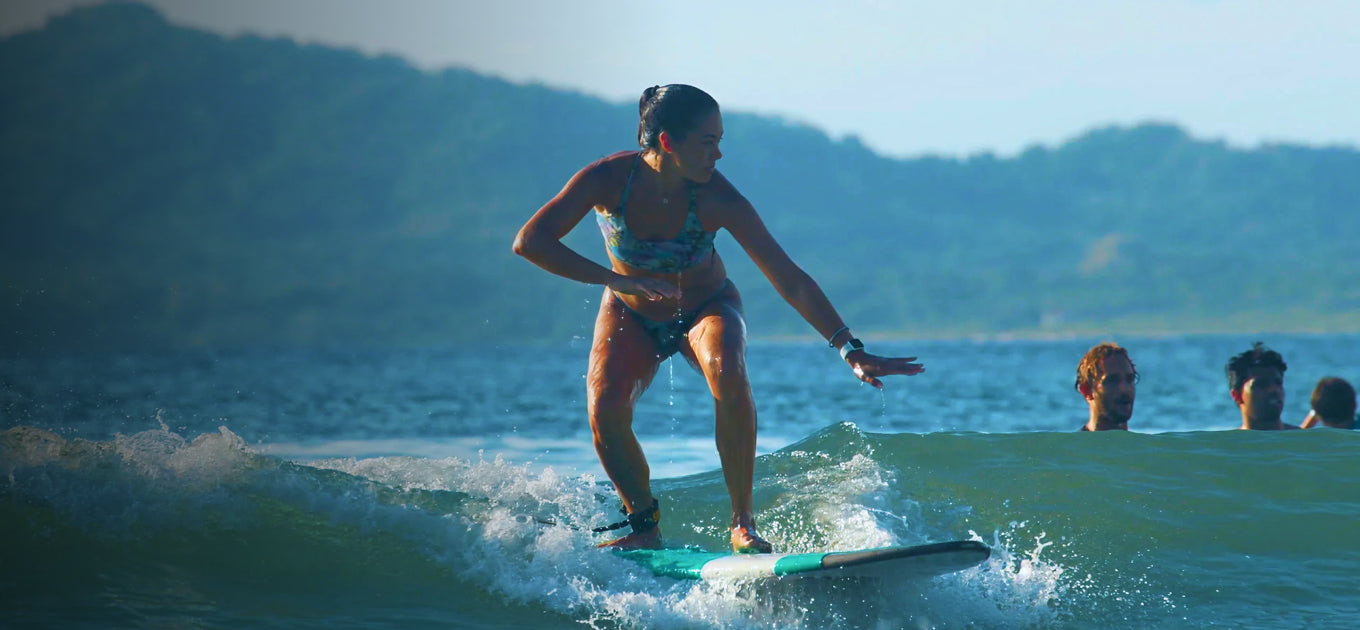

Costa Rica is one of the easiest places on earth to learn to surf because it stacks the three things beginners need: warm Pacific water that stays around 27 to 28°C year-round, sandy-bottom beach breaks that forgive a bad fall, and consistent small waves nearly every day. A YFAB Tamarindo trip runs 8 days / 7 nights in a group of 5 to 12 people, on a beach the Costa Rica Tourism Board has long promoted as a beginner surf hub. No wetsuit, no reef to fear, and lessons every morning.
The real pitch is quieter than the brochure. You will spend a week falling into warm water in front of a town that has watched thousands of people learn to surf badly and cheerfully. Nobody is judging your pop-up. The howler monkeys might be, but they judge everyone.
Key Takeaways
- Costa Rica pairs warm water, sandy-bottom breaks, and daily small waves, the ideal beginner combination.
- Tamarindo's beach stays boardshort-warm all year, so nobody surfs in a wetsuit.
- Sand bottoms forgive wipeouts in a way reef breaks never do, which matters most for first-timers.
- Trips run 8 days / 7 nights in groups of 5 to 12 people, including the trip leader.
- The jungle is right there, so rest days come with monkeys, not just recovery.
Why Is Warm Water Such a Big Deal for Beginners?
Because cold is a distraction you cannot afford while learning. In a wetsuit in cool water, part of your attention is always on being uncomfortable. Tamarindo sits on Costa Rica's Guanacaste coast where the Pacific stays around 27 to 28°C, warm enough that you surf in boardshorts or a rash guard and think about nothing but the wave. Surfline's regional data shows this coast holding warm water across the seasons, which is why it turns up on so many learn-to-surf lists.
Warm water also means you last longer. A cold beginner quits after an hour; a warm one stays in until their arms give out, and arm fatigue is how you actually learn to surf. More time in the water, more pop-ups, faster progress.

What Makes Tamarindo's Waves Beginner-Friendly?
The bottom. Tamarindo breaks over sand, not reef or rock, so a wipeout means a mouthful of saltwater rather than a scraped shin. The estuary end of the beach offers gentle, rolling whitewater that peels for a hundred meters, which the International Surfing Association would recognize as textbook beginner terrain: broken waves in standing depth where you can practice the pop-up dozens of times a session.
There is range, too. As you improve, the beach offers slightly punchier peaks a short paddle over, so you are not stuck on the bunny slope once you find your feet. On our Tamarindo trips the instructors read the tide each morning and move the lesson to whichever sandbar suits the group, which is why a nervous first-timer and a returning improver both leave happy.
| The need | What Tamarindo offers |
|---|---|
| Warm water | 27 to 28°C year-round, no wetsuit |
| Forgiving wipeouts | Sandy bottom, no reef |
| Frequent small waves | Beach break working most days |
| Room to grow | Punchier peaks a short paddle away |
Does the Season Matter for Learning?
Less than you would think. Guanacaste has a dry season and a green season, and while the green months bring more consistent swell, beginner whitewater exists every month of the year. We break the year down in detail in our guide to when to surf Tamarindo, but the short version for a first-timer is: book the dates that fit your life, because the ocean will have something your size whenever you arrive.

What Do You Do When You Are Not Surfing?
You meet Costa Rica, which is very good at rest days. Lonely Planet has called the country one of the most biodiverse places on the planet, and Tamarindo sits close to dry forest, estuaries, and wildlife that turns an afternoon walk into a nature documentary. Monkeys, iguanas, the occasional scarlet macaw. Between morning surf and evening group dinners, the town runs on a slow, sunburnt rhythm that is half the reason people come back.
This is the Tamarindo surf trip, and if you are weighing it against a surf camp back home, our honest guide to what nobody tells beginners about a first surf trip covers the wipeouts in full.
Frequently Asked Questions
Is Costa Rica really good for learning to surf?
Yes. It pairs warm water, forgiving sandy-bottom breaks, and consistent small waves, which is the exact combination beginners need. Tamarindo in particular is a long-standing learn-to-surf beach.
Do I need a wetsuit in Costa Rica?
No. The Pacific here stays around 27 to 28°C year-round, so people surf in boardshorts or a rash guard. Leave the wetsuit at home.
Can a complete beginner learn to surf in a week?
Most beginners stand up in whitewater within the first day or two and catch an unbroken green wave later in the week. One week makes you someone who surfs, not an expert, and that is the part that changes your weekends.
Is Tamarindo safe for beginner surfers?
The main beginner areas break over sand in standing-depth water with instructors close by. Sandy bottoms are far more forgiving than reef, which is a big reason first-timers do well here.
How big is the group?
Always 5 to 12 people, including the trip leader. Most people arrive alone and leave with a group chat.
What is there to do besides surf?
Plenty. Tamarindo sits near dry forest and estuaries full of wildlife, so rest days come with monkeys, iguanas and slow beach afternoons between the morning surf and the group dinners.


