
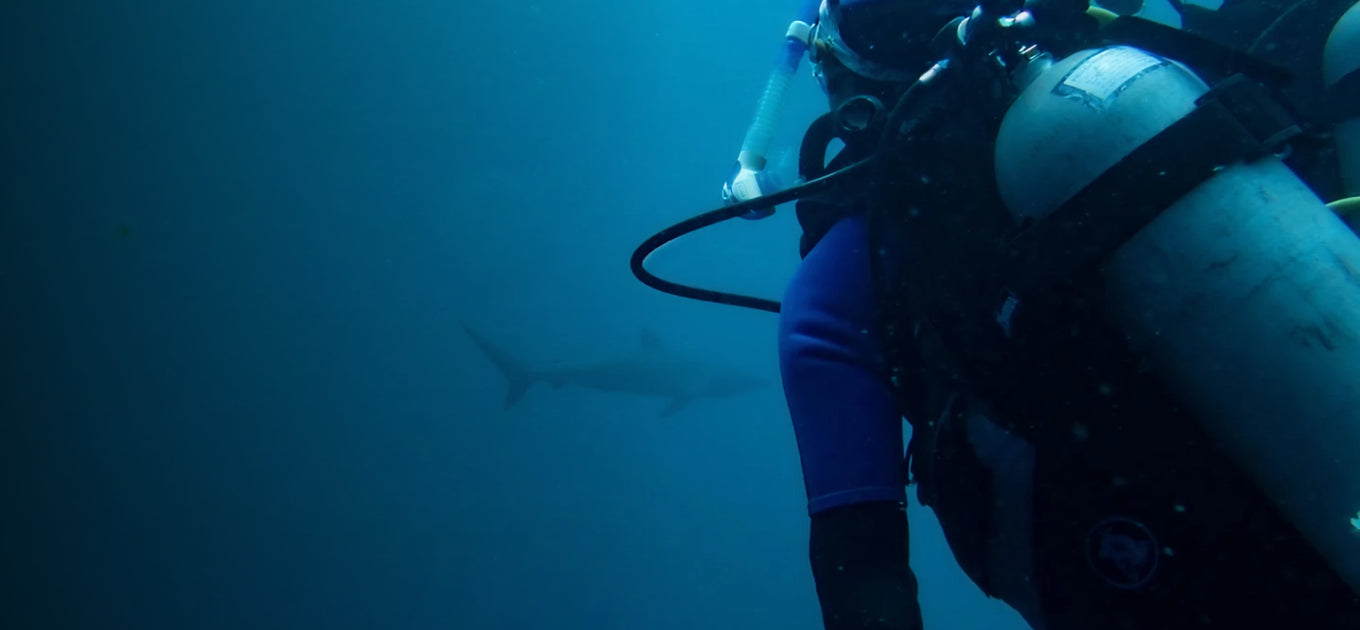

Diving in Los Cabos means dropping into the exact spot where the Pacific Ocean meets the Sea of Cortez, which Jacques Cousteau famously called "the aquarium of the world." A YFAB Los Cabos trip runs 8 days / 7 nights in a group of 5 to 12 people, and the dive sites sit minutes from the marina at the very tip of the Baja peninsula. Sea lions, schooling fish, the occasional shark, and the strange underwater "sand falls" that made the place famous. All in water warm enough that nobody complains.
Here is the part the dive brochures skip. You will surface from your first dive with sea lions still doing donuts around you, and you will say something incoherent through your regulator that your group will quote back to you all week. (Diving does this to people. It is basically legal.)
Key Takeaways
- Los Cabos sits where two seas meet at Land's End, giving it more marine life than most single-sea destinations.
- Trips run 8 days / 7 nights in groups of 5 to 12 people, including the trip leader.
- The signature sights: playful sea lions at the colony, the underwater sand falls, and big Pacific animals passing through.
- Water is warm and the dive sites are a short boat ride from the marina, so dive days are relaxed, not epic commutes.
- Beginners and certified divers both fit: you can get certified on the trip or dive the deeper sites if you already have a card.
What Makes Los Cabos Different From Other Dive Trips?
Two seas, one dive site. Los Cabos sits at the very tip of Baja California Sur, where the cold, nutrient-rich Pacific collides with the warmer Sea of Cortez. That collision is why the water is so alive. The Mexican Secretariat of Tourism markets the Baja coast on exactly this, and for once the pitch is honest: you get Pacific big animals and Sea of Cortez reef life in the same week, sometimes on the same dive.
The headline residents are the sea lions. There is a colony near Land's End, and the young ones treat divers like slow, confusing toys. They spiral, they nip at fins, they photobomb. Diving with them is less like watching wildlife and more like being adopted by a pack of underwater puppies who are much better at swimming than you.

Are the Los Cabos Sand Falls Real?
Yes, and they are as strange as they sound. The sand falls are underwater rivers of sand that pour over the edge of a deep canyon just off the coast, first documented by Cousteau's team in the 1960s. Sand collects on the shelf, then cascades down the canyon wall like a slow, silent waterfall made of beach. It is one of the few genuinely weird things you can see underwater without a technical certification, because the top of the feature sits within recreational dive limits.
You do not need to be an expert to see the surrounding canyon and its rim. You do need a guide who knows where the edge is, which is exactly what a trip leader and local dive operation are for.
Can Beginners Dive Los Cabos, or Is It Only for Certified Divers?
Both, comfortably. If you arrive without a certification, the 8 days / 7 nights format leaves room to complete a PADI Open Water course, which PADI structures as confined-water skills first, then four open-water dives. If you already have a card, the same sites go deeper and wilder: the canyon rim, the further reefs, the night dives where the reef swaps its entire cast of characters after dark.

The mixed-level thing works better than it sounds. Beginners and certified divers share the boat, the meals, and the surface intervals, then split for the dives that fit each person. Divers Alert Network (DAN), the sport's safety organization, is clear that respecting your training limits is what keeps recreational diving low-incident, and a guided group is built to hold those lines without anyone feeling babysat.
| Destination | Duration | Group size | Signature encounter |
|---|---|---|---|
| Los Cabos, Mexico | 8 days / 7 nights | 5 to 12 people | Sea lions and the underwater sand falls |
| Dahab, Egypt | 8 days / 7 nights | 5 to 12 people | Shore diving and the Blue Hole at recreational depth |
| Moalboal, Philippines | 10 days / 9 nights | 5 to 12 people | The sardine run, steps from shore |
What Does a Dive Day Actually Look Like?
Short boat rides and long lunches. The dive sites cluster near the marina, so a typical morning is two dives with a surface interval in between, then back to land by early afternoon with the rest of the day yours. Lonely Planet has covered the Cabo San Lucas Marine Park as one of the more accessible big-animal dive zones in the Americas, and "accessible" is the operative word: this is not a destination where you spend three hours on a boat to reach the good stuff.

The afternoons are where the group becomes a group. Cabo the town is loud and touristy in parts, but a YFAB trip mostly ignores that in favor of the quieter corners, the taco spots, the sunset on the Pacific side. On our Los Cabos trips the sea lion dive is almost always day one or two, because nothing bonds a group of strangers faster than all getting mugged by the same sea lion before lunch.
Who Is a Los Cabos Trip Actually For?
The person who wants big animals without a long-haul flight from the US, since Cabo is a short hop from most of the West Coast. The certified diver who is bored of calm reef dives and wants some Pacific drama. And the total beginner who wants their first-ever dives to come with a side of sea lions, which is a genuinely unfair advantage over learning in a quarry back home.
If arriving alone is the part giving you pause, that is the normal way to show up, and here is how meeting people while traveling alone actually plays out. When you want to look at dates, this is the Los Cabos dive trip.
Frequently Asked Questions
Do I need to be certified to dive in Los Cabos?
No. You can complete a PADI Open Water certification during the 8 days / 7 nights trip, and the certification dives happen on the same sites as the fun dives. Already certified? You dive the deeper canyon and reef sites instead.
Will I actually see sea lions?
The sea lion colony near Land's End is resident, so encounters are common rather than lucky, especially outside their pupping season when the young ones are most curious. As with all wildlife, no guide can promise a specific animal on a specific day.
Is the water cold in Los Cabos?
It is on the warmer side for a Pacific destination, comfortable in a standard wetsuit for most of the year. Conditions shift by season, so trust the dive operator's briefing over any blog, this one included.
How far are the dive sites from town?
Minutes, not hours. Most sites sit near the marina at Land's End, so dive days involve short boat rides and leave your afternoons free.
What is the group size?
Always 5 to 12 people, including the trip leader. Certification classes within the group are smaller, following PADI's instructor-to-student standards.
Can beginners and experienced divers do the same trip?
Yes. The group shares the boat, meals and surface intervals, then splits for dives that match each person's certification. It is one of the reasons mixed-level friend groups book these trips together.


