
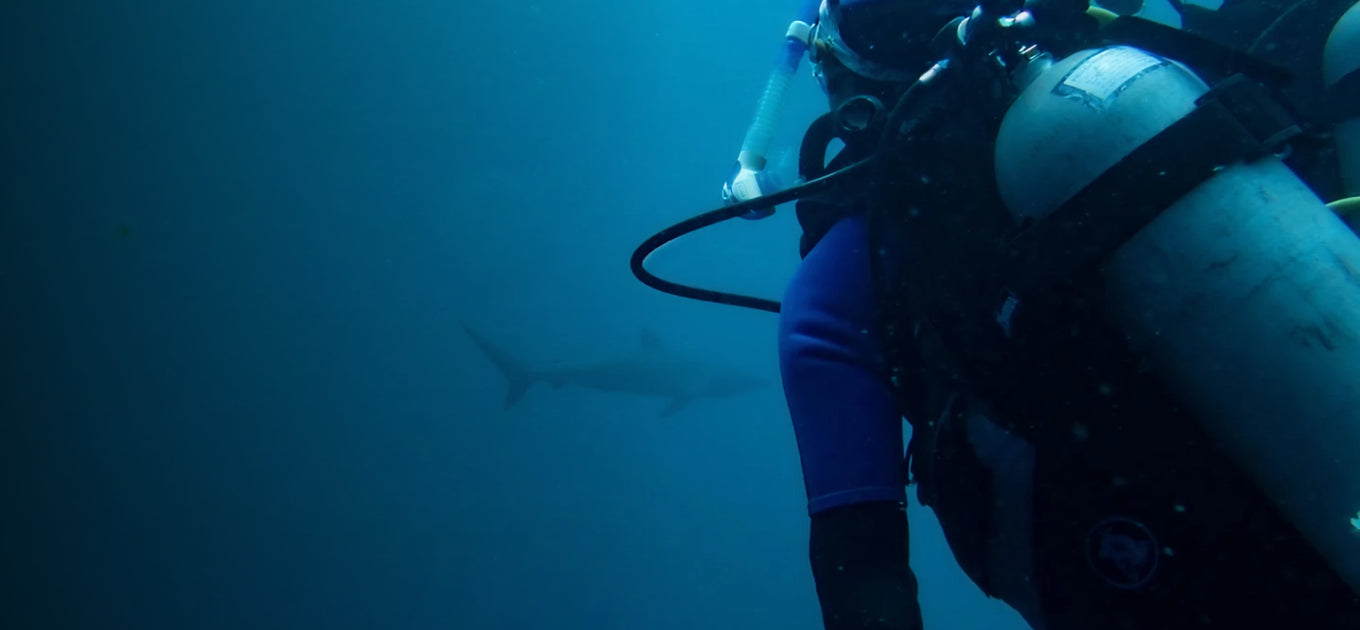


The most effective ways to meet people when traveling alone include joining hobby-based group trips (5-12 people), staying in social accommodations like hostels or guesthouses, participating in local classes or workshops, using social travel apps, and engaging in activities that naturally encourage interaction. Group adventure trips, particularly those centered around shared interests like surfing or diving, consistently produce the strongest connections because participants already share common ground before meeting.
Key Takeaways
- Hobby-based group trips have the highest success rate for forming genuine friendships
- Social accommodations create natural meeting opportunities without forced interaction
- Local classes and workshops provide built-in conversation starters and shared experiences
- Travel apps work best when combined with in-person activities, not as standalone solutions
- Shared activities eliminate the awkward "what do we talk about" problem that kills most travel connections
Making friends as an adult is genuinely challenging. After college, there's no built-in social structure forcing you into situations where meaningful connections happen naturally. Add travel to the mix, and the challenge multiplies: you're in an unfamiliar place, probably feeling slightly vulnerable, trying to connect with strangers who might not even speak your language.
But here's what years of solo travelers have figured out: the secret isn't about being more outgoing or mastering small talk. It's about putting yourself in situations where connections happen organically, where you and the other person already have something real in common.
Why Do Most Solo Travelers Struggle to Make Real Connections?
The biggest mistake solo travelers make is thinking that being around people automatically leads to friendships. You can spend a week in a busy hostel common room and leave knowing nobody's real name. The problem isn't the number of people you meet. It's the quality of the interactions.
Surface-level conversations ("Where are you from? How long are you here?") rarely evolve into anything meaningful. Without a shared context or activity, most travel encounters stay stuck at small-talk level. You need a reason to spend real time together, something that moves beyond pleasantries.
Solo travel keeps growing year after year, and surveys keep finding the same top worry: loneliness. The solution isn't avoiding solo travel. It's approaching it differently.
What Makes Hobby-Based Group Travel So Effective for Building Friendships?
When you join a surf trip to Morocco or a diving expedition, something magical happens: the shared interest acts as an instant filter. Everyone on that trip already likes the same thing you do. No awkward ice-breakers needed. You're literally in the water together, learning together, maybe wiping out together.
This is exactly why creator-led trips work so well. Take surf trips to places like Taghazout, Morocco: when a group of 5 to 12 people spends a week learning to surf together, staying in the same house, eating every meal together, the connections form naturally. The shared struggle of standing up on a board, the group celebration when someone catches their first real wave. These are the moments that create bonds that last long after the trip ends.
| Method | Group Size | Success Rate | Time Investment | Best For |
|---|---|---|---|---|
| Hobby-based group trips | 5-12 people | Very high | 5-10 days | Deep, lasting friendships |
| Social hostels | 20-40 people | Medium | 2-7 days | Casual travel buddies |
| Local classes/workshops | 8-15 people | High | 2-4 hours | Cultural connections |
| Walking tours | 10-25 people | Low-medium | 2-3 hours | Quick meetups |
| Travel apps/meetups | 3-8 people | Variable | 2-6 hours | Activity partners |
How Do You Choose Accommodations That Actually Encourage Connection?
Not all hostels are created equal when it comes to meeting people. Look for places that actively encourage interaction: communal kitchens where you'll actually cook (not just grab cereal), common areas designed for hanging out rather than just passing through, and properties that organize activities or have staff who genuinely care about creating a social atmosphere.
Boutique hostels and guesthouses often work better than massive party hostels. When there are 15-20 guests instead of 200, you naturally see the same faces multiple times, which makes it easier to move from "hey, we keep running into each other" to actual conversations.
Homestays and local guesthouses provide built-in cultural connections. Your hosts become your first local friends, often introducing you to their social circles or recommending experiences that tourists never find on their own.
What Local Activities Actually Lead to Meaningful Connections?
The key is choosing activities that require collaboration or have a learning component. Cooking classes work brilliantly because you're working together toward a common goal, plus you're sharing food afterward. Instant bonding. Language exchanges create natural give-and-take relationships where both people benefit.
Volunteer work, particularly shorter-term projects like beach cleanups or community gardens, puts you alongside locals and other travelers who care about similar causes. Rock climbing gyms, yoga studios, and martial arts schools create regular touchpoints: you'll see the same people multiple times, which is how acquaintanceships become friendships.
According to community engagement studies, travelers who participate in skill-based activities are 3x more likely to maintain post-trip connections compared to those who only do sightseeing activities.
How Do You Use Technology to Meet People Without Being Weird About It?
Travel apps work best as conversation starters for in-person meetups, not as substitutes for real interaction. Meetup, Bumble BFF, and local Facebook groups can help you find people interested in the same activities, but the magic happens when you actually show up to that hiking meetup or food tour.
The best approach is using apps to find group activities rather than one-on-one meetups. It's less pressure for everyone involved, and group dynamics naturally filter out people who might not be great matches.
Instagram can actually be surprisingly effective. Tag locations and activities you're interested in, engage genuinely with other travelers' posts, and you'll often discover people doing similar things in the same area.
What Should You Avoid When Trying to Meet People While Traveling?
Don't force interactions or try too hard to be the "fun travel buddy" for everyone you meet. Authentic connections happen when you're genuinely interested in the other person and the shared activity, not when you're performing enthusiasm.
Avoid activities that don't encourage natural interaction: guided bus tours where everyone wears headphones, large group tours where you never talk to the same person twice, or experiences so focused on Instagram moments that nobody's actually present with each other.
Most importantly, don't put pressure on every interaction to become a lifelong friendship. Some connections are meant to last a few days, some a few hours. Enjoy them for what they are rather than trying to force them into something bigger.
Frequently Asked Questions
How long does it usually take to make real friends while traveling solo?
Genuine connections often happen within 2-3 days of shared activities, but meaningful friendships typically develop over 5-7 days of regular interaction. Hobby-based trips accelerate this timeline because you're doing intensive activities together rather than just chatting in passing.
Is it easier to meet people in certain destinations?
Destinations with strong backpacker or adventure communities tend to be more social. Places like surf towns, diving destinations, and cities with established digital nomad scenes. However, shared activities matter more than location. A cooking class in rural Japan can be more social than a beach party in Thailand.
What if I'm introverted? Can I still meet people while traveling solo?
Absolutely. Introverts often do better with structured activities (classes, small group trips) rather than open-ended social situations. The shared focus gives you something to talk about beyond small talk, and smaller groups feel less overwhelming than big hostel common rooms.
How do you maintain friendships made while traveling?
The strongest travel friendships come from shared experiences rather than just shared locations. People who learn to surf together or complete a challenging hike together have specific memories to reference later. Stay in touch through those shared interests: send surf videos, plan future trips together, or visit each other's home cities.
Are group travel companies worth it for meeting people?
High-quality group travel companies that focus on specific interests and keep groups small (8-12 people) consistently produce strong friendships. Look for companies that attract people in similar life stages and organize trips around activities that encourage natural bonding rather than just sightseeing.
What's the biggest mistake solo travelers make when trying to meet people?
Trying to meet everyone instead of connecting deeply with a few people. It's better to have meaningful conversations with 3-4 people than surface-level chats with 20. Focus on finding your people rather than being liked by all people.


