

The way to make time for a hobby as an adult is to stop waiting for free time to appear and start protecting a fixed slot with the same seriousness you give a meeting, because unstructured "someday" time gets eaten by work and screens every single week. Research on wellbeing backs the effort: a study in the Journal of Occupational and Organizational Psychology found that active leisure and creative hobbies measurably improved mood and recovery from work stress. The trick is not finding time. It is defending it, and giving the habit a strong enough start that it survives a busy week.
Let's name the real competition. You do have the time. It is currently going to a screen that autoplays the next episode before you have decided to watch it. (The average person is not short on hours. They are short on hours that are theirs.)
Key Takeaways
- Free time does not appear; you have to protect a fixed slot the way you protect a meeting.
- Active hobbies measurably improve mood and help you recover from work stress, per occupational psychology research.
- The enemy is passive screen time, which quietly absorbs the hours a hobby could use.
- Habits survive when they are scheduled, social, and started with momentum rather than willpower.
- An intense immersion (a class block, a trip) can restart a hobby habit faster than easing in slowly.
Why Is It So Hard to Keep a Hobby as an Adult?
Because adulthood removed the structure that used to hold hobbies in place. School and university scheduled your interests for you: practice was Tuesday, the club met Thursday. Adult life hands you a blank calendar and a lot of obligations, and a blank slot is exactly where a hobby goes to die. The American Psychological Association has long noted that leisure and recovery are protective for mental health, yet they are the first things people cut when busy, precisely because nothing external protects them.
There is also the passive-time trap. After a draining day, the path of least resistance is a screen, and screens are engineered to keep you there. A hobby asks for a small activation cost that a tired brain avoids, so the hours quietly default to scrolling.

What Actually Works to Protect the Time?
Three things, none of them "try harder." Schedule it like an appointment, a fixed recurring slot with a real start time, because a vague intention loses to a specific plan every time. Make it social, since a class, a club or a training partner adds accountability that willpower cannot match: you will show up for people when you would cancel on yourself. And lower the activation cost, by keeping the gear ready and the barrier small, so tired-you does not have to negotiate.
| The killer | The fix |
|---|---|
| Blank, unprotected time | A fixed recurring slot, scheduled like a meeting |
| Doing it alone | A class, club, or partner who expects you |
| High activation cost | Gear ready, barrier low, decisions pre-made |
| Slow, easing-in start | An immersion that builds momentum fast |
The fourth row is the underrated one. Easing into a new hobby with a casual "I'll try to do it sometimes" almost never sticks. A concentrated start, a course block or an immersive week, builds enough skill and identity that the habit has something to stand on when you get home.
How Does a Trip Restart the Habit?
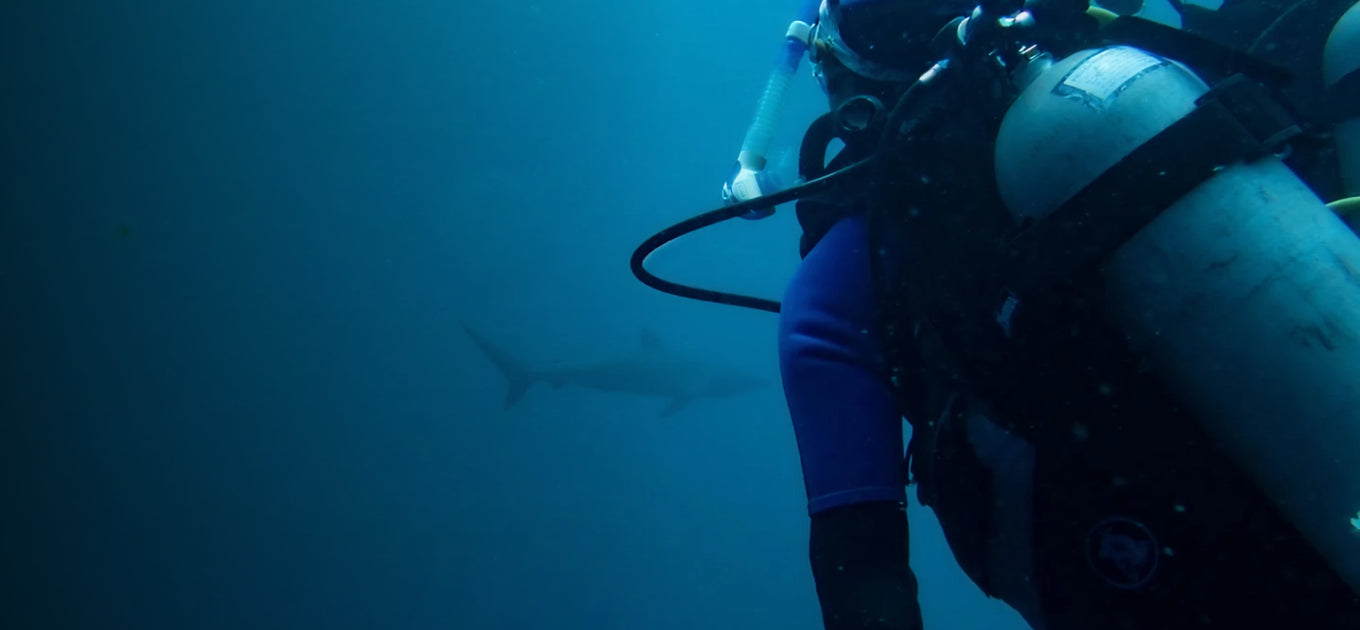
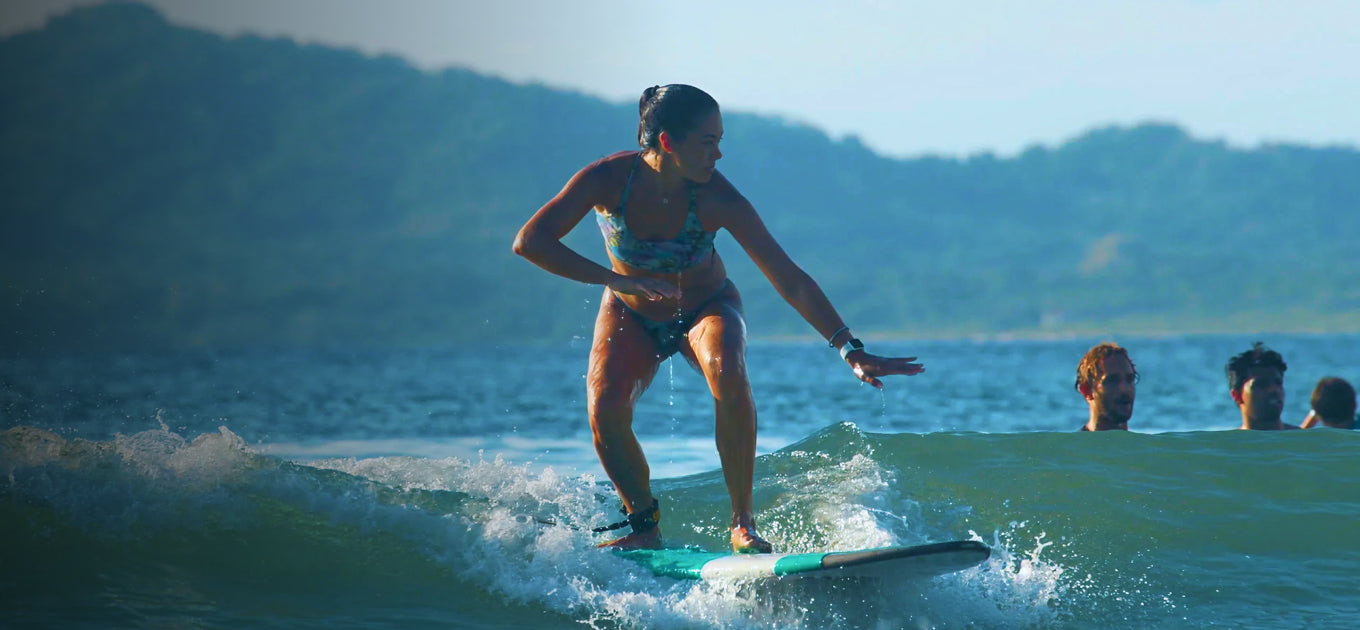
By compressing months of practice into a week and giving you a new identity to protect. Spend 8 days / 7 nights surfing or diving every day and you come home not as someone who "wants to get into surfing" but as someone who surfs, badly, but genuinely. That shift matters, because we protect time for things we already are more than for things we might become. It is the same reason people who take a learning trip often keep the hobby alive afterward: the trip did the hardest part, the start.

The trip is not a substitute for the weekly slot back home; that still needs protecting. But it is a running start, and it comes with a group of people who did it with you, which is its own accountability. If a hobby-based reset sounds like the push you need, our guide to group trips for people who arrive alone covers how that works, and the trips live on the YFAB trips page.
Frequently Asked Questions
How do I find time for a hobby when I am always busy?
Stop waiting for free time and protect a fixed recurring slot, scheduled like a meeting. Unstructured "someday" time gets absorbed by work and screens; a defended slot does not.
Why do adults stop doing hobbies?
Because adult life removes the external structure that school and university provided, leaving a blank calendar that obligations and passive screen time quickly fill. Hobbies need a protected slot to survive.
Are hobbies actually good for mental health?
Yes. Research links active, creative hobbies to better mood and faster recovery from work stress. Leisure is protective, which is exactly why cutting it when busy backfires.
What is the best way to restart a hobby I have dropped?
A concentrated restart beats easing in slowly. A course block or an immersive week builds enough skill and identity that the habit has something to stand on when you get home.
Can a trip help me build a hobby habit?
Yes. An immersive week compresses months of practice and turns you into someone who does the thing, which is easier to protect time for than a vague intention. The weekly slot at home still needs defending afterward.
How do I stop defaulting to screens after work?
Lower the hobby's activation cost so tired-you does not have to negotiate: keep the gear ready and the barrier small, and schedule the slot in advance so the decision is already made.


