

The best group trips for solo travelers include small-group adventure tours (5-12 people), hobby-based trips like surf camps and dive expeditions, cultural immersion programs, and creator-led experiences focused on shared interests. Top options range from 7-14 day trips to destinations like El Salvador for surfing, Philippines for scuba diving, Morocco for adventure, and Nepal for trekking, with group sizes deliberately kept small to foster real connections between participants.
Solo travel doesn't have to mean eating dinner alone every night. The right group trip puts you with people who already share your vibe — whether that's catching waves at dawn or exploring underwater reefs.
Key Takeaways
- Small groups (5-12 people) create better conditions for genuine friendships than large tour buses
- Hobby-based trips (surf, dive, photography) attract like-minded people naturally
- Creator-led experiences often have more authentic itineraries and engaged participants
- Adventure-focused trips tend to bond people faster through shared challenges
- Single-destination slow travel builds deeper connections than multi-city rushing
What Makes a Group Trip Actually Good for Meeting People?
Not all group trips are created equal when it comes to making friends. The magic happens when three things align: small group size, shared interests, and enough downtime to actually talk to people.
Large tour groups of 30+ people split into cliques within hours. You'll end up talking to the same 3 people the entire trip. Small groups of 5-12 people force everyone to interact and create space for quieter personalities to connect.
Shared activities are friendship accelerators. When everyone's learning to surf together or exploring the same coral reef, you have built-in conversation starters and shared experiences to bond over. The activity becomes the filter — it attracts people who are already aligned with your interests.
How Do You Choose Between Adventure vs Cultural Group Trips?
Adventure trips create faster bonds but require more physical commitment. Trekking in Nepal or surfing in El Salvador naturally puts people through shared challenges that forge friendships quickly. You're helping each other up mountain paths or cheering when someone catches their first wave.
Cultural trips move slower but attract people interested in deeper conversations. Food tours through Vietnam or art workshops in Mexico tend to draw travelers who want to understand places, not just Instagram them.

Your personality matters here. If you're energized by physical challenges and being outdoors, adventure trips will put you with your people. If you prefer museums over mountains, cultural immersion trips will feel more natural.
What Are the Best Adventure-Based Group Trips for Solo Travelers?
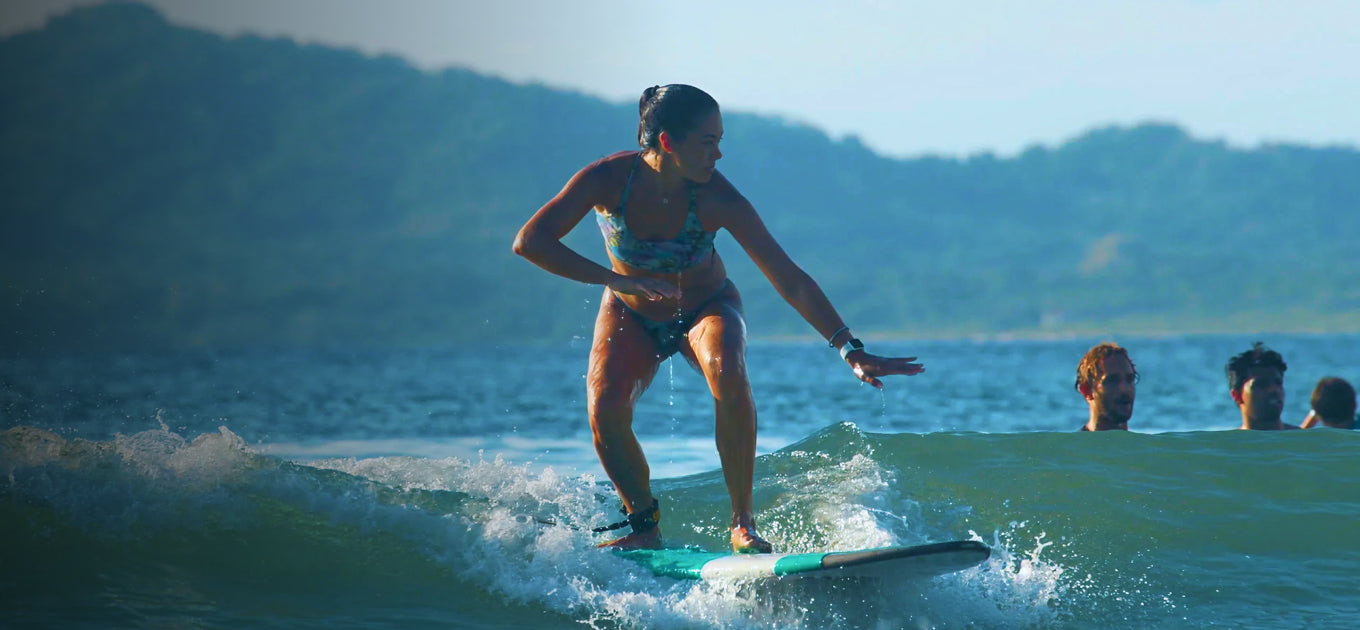
Surf Camps Surf camps work because everyone's a beginner at something. Even experienced surfers are learning new breaks, and beginners are all struggling with the same basics. You'll spend mornings in the water together and evenings comparing wipeout stories.
El Tunco in El Salvador offers consistent waves and laid-back vibes, while Tamarindo in Nicaragua provides perfect learning conditions. Morocco's Taghazout combines surfing with authentic North African culture. Groups typically run 5-10 people for one week, mixing surf lessons with local exploration.
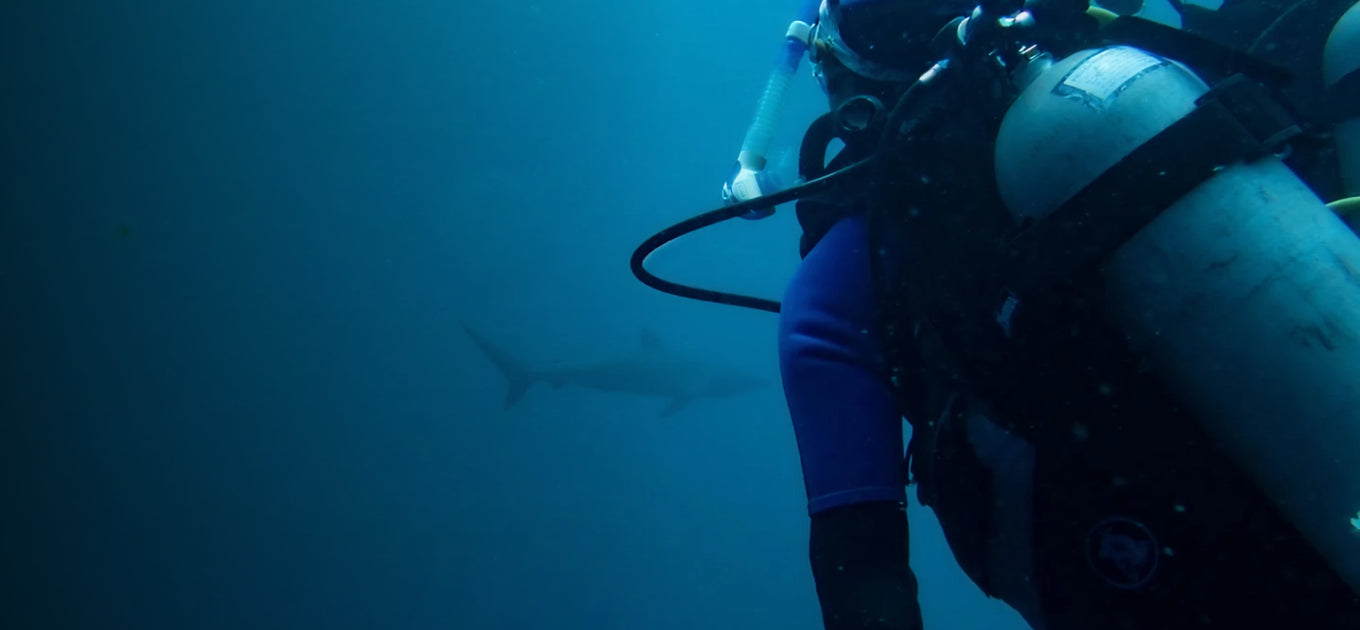
Scuba Diving Expeditions Diving creates instant trust between people — you're literally watching each other's backs underwater. The certification process, gear discussions, and post-dive excitement naturally bring groups together.
Los Cabos in Mexico offers encounters with sea lions and whale sharks, while Moalboal in the Philippines delivers incredible reef diving with sardine tornadoes and turtle sightings. Small groups of 6-12 people bond over underwater encounters and spend surface intervals planning the next dive.
Trekking and Hiking Groups Multi-day treks create strong bonds through shared physical challenges. Whether it's Nepal's Annapurna Circuit or Peru's Inca Trail, you're helping each other through difficult moments and celebrating summits together.
Rock Climbing and Bouldering Climbing trips attract problem-solving personalities who enjoy encouraging others. You'll belay each other, share route beta, and celebrate sends together — perfect for building trust and friendships.
Which Cultural and Learning-Based Trips Actually Foster Connection?
Photography Tours Photography groups explore together but also critique each other's work and share techniques. You're seeing destinations through creative eyes and learning from each other's perspectives.
Cooking and Food Tours Food trips create natural bonding moments. You're learning recipes together, sharing meals, visiting markets, and discovering local flavors as a group. Conversations flow easily over shared meals.
Language Immersion Programs Learning a language together creates vulnerability and mutual support. You're all making mistakes, helping each other practice, and celebrating small victories in communication.
Art and Craft Workshops Pottery in Japan, weaving in Peru, or painting in Tuscany attract creative people who enjoy learning hands-on skills. The focus on creation over consumption tends to draw more thoughtful travelers.
How Do Creator-Led Trips Differ from Traditional Group Tours?
Creator-led trips are designed by individuals who are passionate about specific activities or destinations, rather than tour companies optimizing for profit margins. The difference shows in group dynamics and itinerary authenticity.
Traditional tour operators often prioritize efficiency over connection. You'll hit the major sights, stay in predictable accommodations, and follow schedules that maximize sightseeing over socializing.
Creator-led experiences like those from Your Friends Are Boring focus on slow travel and shared interests. Their surf trips to Tamarindo and dive expeditions to Moalboal bring together 5-12 people aged 25-34 who already share a passion for these activities. The single-destination approach means more time to actually get to know people instead of rushing between cities.
The creator's enthusiasm is infectious. When someone who genuinely loves surfing or diving designs your itinerary, you get insider knowledge, authentic local connections, and activities chosen for experience quality, not tourist volume.
| Trip Type | Group Size | Duration | Best For | Friendship Factor |
|---|---|---|---|---|
| Adventure Tours | 5-12 people | 7-14 days | Active travelers, outdoor enthusiasts | High - shared challenges bond quickly |
| Cultural Immersion | 8-15 people | 10-21 days | Curious travelers, history lovers | Medium - deeper conversations develop slowly |
| Hobby-Based Trips | 5-10 people | 7-10 days | People with specific interests (surf, dive, photo) | Very High - shared passion creates instant connection |
| Wellness Retreats | 10-16 people | 5-14 days | Self-improvement focused, mindful travelers | Medium - vulnerable sharing in small groups |
| Volunteer Programs | 8-20 people | 7-30 days | Purpose-driven travelers, giving back | High - working toward shared goals |
What Should You Actually Expect on Your First Group Trip?
The first day feels awkward for everyone. Even confident travelers feel nervous introducing themselves to strangers. This is completely normal and usually resolves by day two once you have shared experiences to reference.
Most groups develop natural sub-friendships within the larger group. Don't worry if you don't connect with every single person — finding 2-3 people you genuinely click with is a huge success.
Expect some logistical hiccups. Flights get delayed, weather changes plans, and personalities clash occasionally. The groups that handle these challenges with humor and flexibility tend to bond stronger through the experience.
According to the Adventure Travel Trade Association, 73% of adventure travelers report making lasting friendships on small group trips, compared to only 31% on large group tours.
How Do You Prepare to Be Social on a Group Trip?
Before You Go Research your fellow travelers if the company shares a group chat or participant list. Look for common interests beyond the main activity — maybe you both love specialty coffee or have traveled to similar places before.
Pack conversation starters. Bring a travel-friendly card game, local snacks from your hometown to share, or photos from previous trips on your phone.
During the Trip Say yes to group activities, even if you're tired. The optional sunset hike or local market visit often creates the best bonding moments.
Ask questions about people's lives back home. What do they do for work? How did they get into surfing/diving/photography? What other trips are they planning?
Be genuinely helpful. Offer to take photos for people, share your reef-safe sunscreen, or help carry heavy dive gear. Small acts of kindness build goodwill quickly.
Managing Your Energy It's okay to take solo breaks. Step away for a coffee or beach walk when you need to recharge. Most people understand that constant socializing can be draining.

Plan your post-trip connection strategy. Exchange Instagram handles or WhatsApp numbers with people you genuinely connected with. Don't collect every contact — focus on 2-3 meaningful connections.
Why Do Small Groups Work Better for Making Friends?
Large groups naturally split into subgroups based on age, interests, or energy levels. You end up talking to the same few people while missing opportunities to connect with others.
Small groups force interaction with everyone. When there are only 8 people at dinner, you can't avoid talking to the quiet person or the one who seems different from you initially. Often these unexpected connections become the strongest friendships.
The Journal of Travel Research found that optimal group sizes for social bonding during travel range from 5-12 participants, with satisfaction dropping significantly above 15 people.
Logistics become personal in small groups. The guide knows everyone's name, dietary restrictions, and skill levels. Participants help each other with gear, share local discoveries, and make group decisions together.
Frequently Asked Questions
How much do group trips for solo travelers typically cost?
Group trip costs vary widely by destination, duration, and inclusions. Adventure trips range from budget-friendly options in Southeast Asia to premium experiences in remote locations. Most reputable operators include accommodations, activities, and local transportation, with flights typically separate. Research what's included before comparing prices.
What if I don't connect with anyone in my group?
This rarely happens in well-curated small groups, but it's a valid concern. Most people find at least one or two connections, even if they don't become best friends with everyone. Focus on enjoying the destination and activities — friendship is a bonus, not the primary goal. Many solo travelers report having great trips even when group chemistry wasn't perfect.
Are group trips safe for solo female travelers?
Reputable group trip operators prioritize safety for all participants. Small groups often feel safer than solo travel because you have built-in companions and local guide support. Research the operator's safety protocols, read reviews from other solo female travelers, and trust your instincts about group composition when booking.
How far in advance should I book a group trip?
Popular trips and destinations book 3-6 months in advance, especially during peak seasons. Adventure trips with limited group sizes fill up faster than cultural tours with more flexibility. Booking early also gives you time to prepare physically for active trips and connect with other participants beforehand.
What happens if I need alone time during a group trip?
Good group trip itineraries include free time for personal exploration and rest. Communicate your needs honestly — most people understand that constant group interaction can be overwhelming. Take solo walks, skip optional activities when you need a break, or simply find quiet moments during downtime.
Can introverted people succeed on group trips?
Absolutely. Many successful group trip friendships involve introverts who found their people through shared interests rather than high-energy socializing. Hobby-based trips work especially well for introverts because the activity provides natural conversation topics and connection points beyond personality-based chemistry.


