

You know that feeling when you move somewhere new, or just realize your social circle has gotten a bit stale? Everyone says "just put yourself out there," but where exactly is "out there"? The bar scene feels forced, dating apps are exhausting, and joining a gym mostly means awkward eye contact.
Here's what actually works: activities that give you something to do together, not just something to talk about. When you're focused on learning, creating, or experiencing something alongside other people, conversations happen naturally. No weird icebreakers required.
Why Shared Activities Beat Traditional "Networking"
Think about your closest friends. Chances are, you didn't meet them at a "networking event." You met them in situations where you were both genuinely engaged in something you cared about — whether that was a college class, a volunteer project, or that time you both got hopelessly lost on a hiking trail.
The magic happens when you're focused on the activity itself. The pressure to be "on" disappears because you're both just trying to figure out how to paddleboard without face-planting into the water.
7 Local Activities That Create Real Connections
1. Community Art Classes (Pottery, Painting, Jewelry Making)
Local art studios and community centers run ongoing classes where you see the same faces week after week. There's something about creating with your hands that breaks down social barriers. Plus, you're all equally bad at it in the beginning, which is surprisingly bonding.
Where to find them: Search "[your city] community art classes" or check local pottery studios, makerspaces, and community college continuing education programs.
Cost: Usually $80-200 for a 6-8 week series
2. Volunteer for Causes You Actually Care About
Skip the one-off charity events and find ongoing volunteer opportunities. Animal shelters, food banks, community gardens, and environmental cleanup groups all need regular help. You'll meet people who share your values and see them consistently enough to build real friendships.
Pro tip: Choose something hands-on rather than administrative work. Building a community garden bed or walking shelter dogs creates more natural conversation opportunities than stuffing envelopes.
3. Join a Sports League (But Not the Obvious Ones)
Everyone thinks about softball or kickball leagues, but those can feel clique-y if you're not already part of a group. Try lesser-known options like ultimate frisbee, pickleball, or even bowling leagues. The learning curve is gentler, and people are usually more welcoming to newcomers.
Where to look: Meetup.com, local recreation departments, or Facebook groups for your city
4. Take Adventure Travel Trips (The Right Kind)
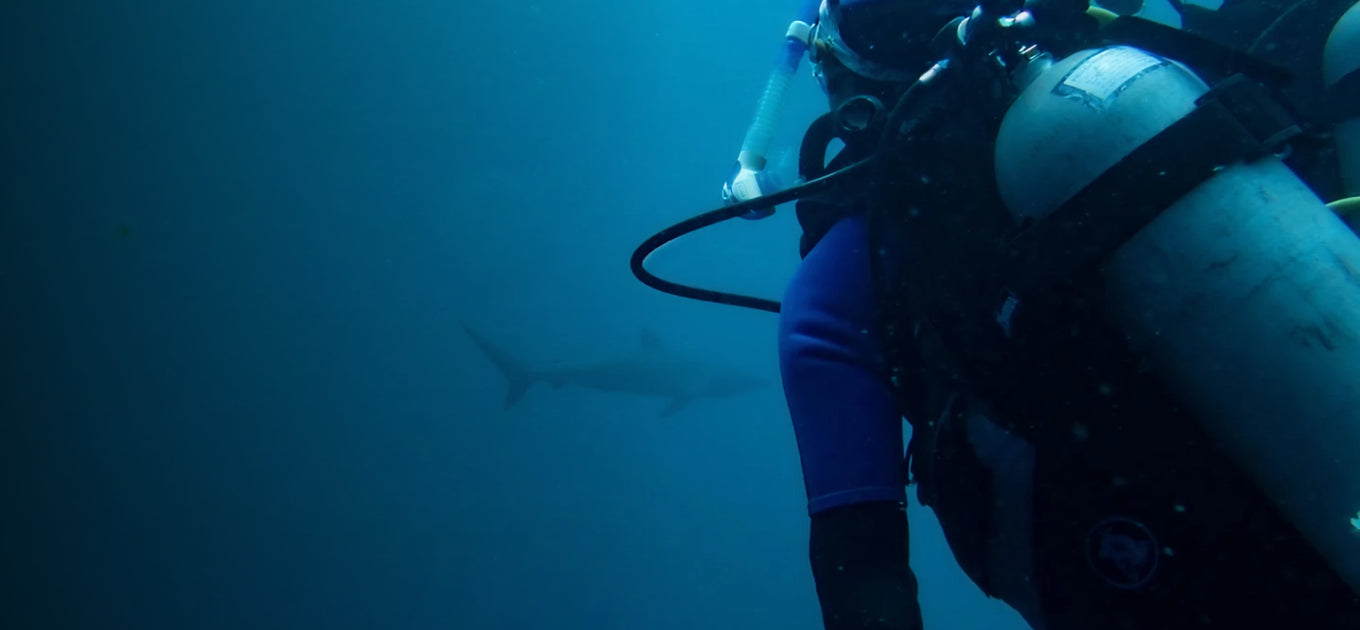
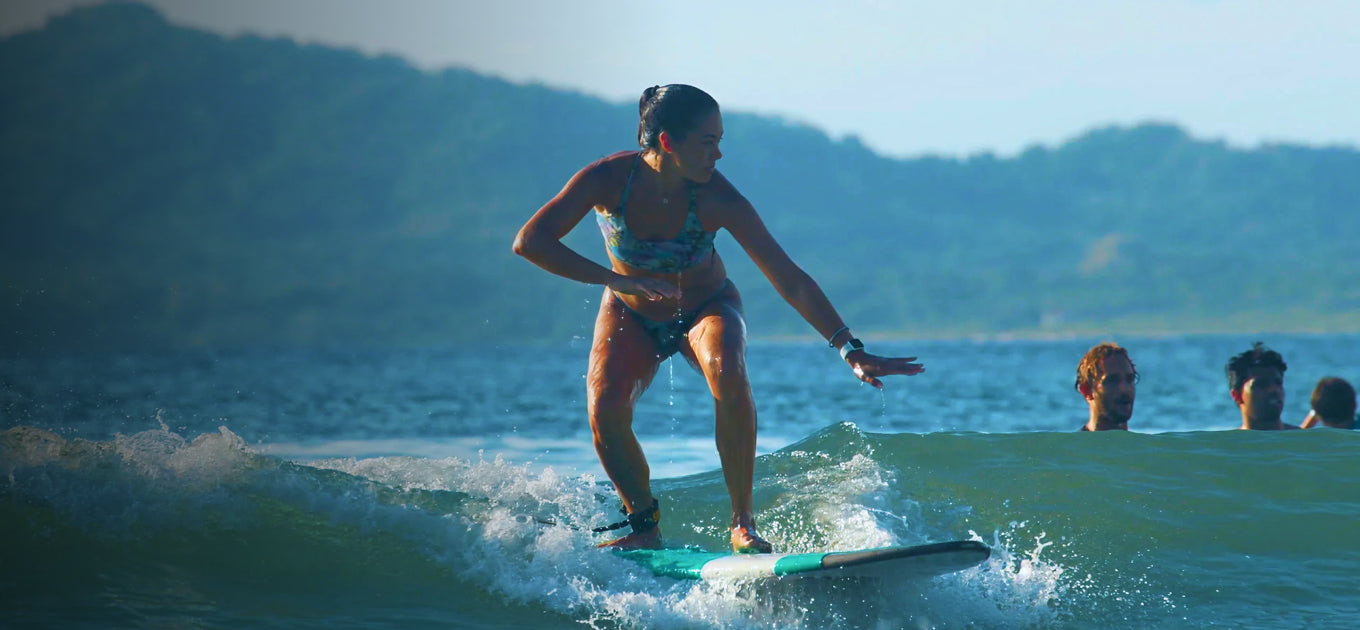
Here's where most group travel gets it wrong: they stuff 20+ strangers together and hope for the best. But smaller, activity-focused trips work differently. When you're learning to surf in Costa Rica or diving in the Philippines with 5-12 people who all chose the same adventure, you're already starting with shared interests.
The trip itself becomes the filter — you're not just meeting random people, you're meeting people who prioritize the same kind of experiences you do. A week of surfing together in Tamarindo ($1690) or scuba diving in Moalboal ($1190) creates the kind of shared stories that turn into lasting friendships.
5. Food-Related Activities (Beyond Just Restaurants)
Cooking classes, wine tastings, brewery tours, foraging walks, or community supported agriculture (CSA) pickups. Food brings people together, but these activities give you something to do with food together. You're learning, sharing opinions, and laughing when someone burns the garlic.
Local options: Williams Sonoma and Sur La Table run regular classes, but check local culinary schools and independent cooking studios for smaller, more personal experiences.
6. Outdoor Adventure Groups
Hiking clubs, rock climbing gyms, kayaking groups, cycling clubs. These communities tend to be incredibly welcoming because they want more people to share their passion with. Start with beginner-friendly options — most outdoor enthusiasts love introducing newcomers to their sport.
Safety note: For activities like climbing or backcountry hiking, stick with established groups or certified guides when you're starting out.
7. Regular Classes (Language, Dancing, Skills)
Language exchange meetups, salsa dancing, woodworking classes, photography workshops. The key word is "regular" — you need to see the same people multiple times for friendships to develop. One-off workshops are fun, but they rarely lead to lasting connections.
Best bets: Community colleges, local dance studios, libraries (which often host surprisingly cool workshops), and cultural centers.
What Makes These Activities Different from Dating Apps or Bars
The fundamental difference is that you're there for the activity, not to meet people. This takes all the pressure off. You have built-in conversation starters, shared experiences to reference later, and natural reasons to see each other again.
Plus, you get to see how people handle challenges, collaborate, and interact with others — much more telling than a perfectly curated dating profile or polished small talk at happy hour.
How to Actually Turn Activities into Friendships
Show up consistently. Don't expect instant connections. Friendships develop over multiple interactions, not single meetups.
Be genuinely interested in the activity. People can tell when you're just there to network vs. actually caring about pottery/hiking/volunteering. Authentic enthusiasm is magnetic.
Suggest specific follow-ups. Instead of "we should hang out sometime," try "want to check out that new climbing route you mentioned? I'm free Saturday morning."
Be patient. Adult friendships take time to develop. Research suggests it takes about 200 hours of interaction to develop a close friendship. That's why regular activities work better than one-off events.
Start This Week, Not Someday
Pick one activity from this list and sign up today. Not next week, not when you "have more time" — today. The best time to plant a tree was 20 years ago; the second best time is now. The same goes for building new connections.
Your future friend group is out there doing things they love. Go join them.


