

Group surf trips designed specifically for solo travelers typically feature 5-12 person groups in destinations like Costa Rica, Morocco, Portugal, and Indonesia. The most effective formats for meeting people combine structured surf lessons with shared accommodation and group meals, creating natural bonding opportunities beyond just catching waves together. Creator-led trips and hobby-focused group travel consistently produce stronger friendships than generic surf camps because everyone starts with shared interests and similar travel motivations.
Key Takeaways
- Small group sizes (5-12 people) create better social dynamics than large surf camps with 20+ participants
- Single-destination slow travel (7+ days) allows deeper friendships to form compared to multi-stop surf tours
- Creator-led trips with shared interests attract like-minded travelers aged 25-34 who prioritize connection over partying
- Shared accommodation and group meals are more important for friendship-building than surf lesson quality
- Off-season travel (shoulder seasons) typically attracts more genuine travelers versus peak-season party crowds
Why Do Most Surf Camps Fail at Creating Real Friendships?
Here's the uncomfortable truth: most surf camps are designed to teach surfing, not build connections. You'll spend 2-3 hours in the water with an instructor, then everyone scatters to their own plans. The magic happens in the downtime — shared meals, evening hangouts, rest day adventures — but traditional surf camps treat these as afterthoughts.
The adult friendship problem is real. After college, your social circle naturally shrinks. Everyone's busy, living in different cities, focused on careers. Meeting new people who share your interests feels nearly impossible. That's why hobby-based group travel works so well for friendships: it puts you in a room with people who already like the same things you do.
How Do You Actually Meet People on a Group Surf Trip?
The best group surf trips create multiple touchpoints throughout each day. Morning surf sessions naturally break the ice through shared struggles (and wipeouts). But the real bonding happens during the 18 hours between surf sessions.
Look for trips that include: - Shared accommodation (not everyone in separate hotel rooms) - Group meals with local restaurants or communal cooking - Rest day activities that aren't just "free time to explore" - Evening hangouts planned into the schedule - Small group sizes where everyone actually gets to know each other
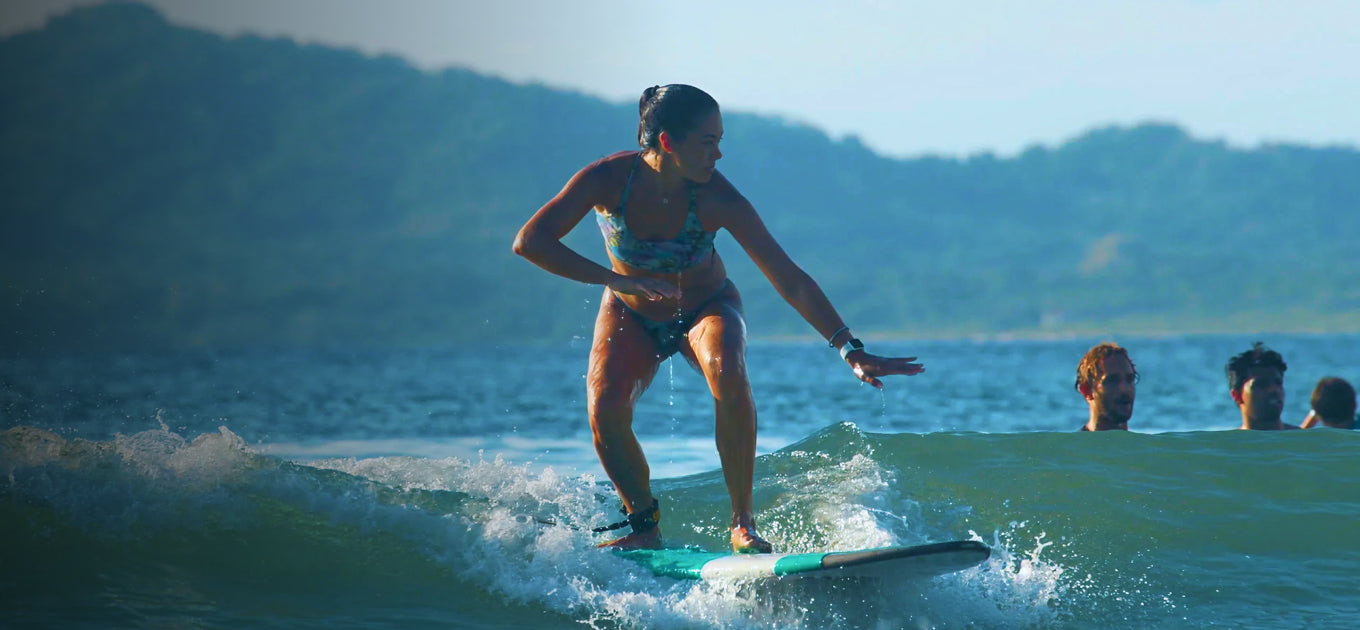
Creator-led trips often excel here because the trip leader acts as a social catalyst, introducing people and facilitating natural conversations. Companies like Your Friends Are Boring design their Costa Rica surf trips specifically around this dynamic — 5-12 person groups spending a full week in Tamarindo with shared experiences that go beyond just surfing.
What Makes Some Surf Destinations Better for Solo Travelers Than Others?
Not all surf destinations are equally good for making friends. The best spots combine consistent waves with a laid-back, social atmosphere that encourages mingling.
Costa Rica consistently ranks high for solo travelers because of its compact beach towns and strong pura vida culture. Everyone ends up at the same handful of restaurants and bars, creating natural opportunities to connect with fellow travelers. The waves are beginner-friendly, so there's less ego and competition in the water.
Portugal attracts a slightly older, more serious surf crowd (late 20s to mid-30s) who are past the party phase but still want social connection. The country has an established expat and digital nomad community that creates opportunities for longer-term friendships.
Morocco offers an immersive cultural experience that bonds groups through shared discovery. Surf towns like Taghazout are small enough that your surf group becomes your primary social circle for the week. According to Morocco's National Tourism Office, Morocco has become increasingly popular with millennial travelers specifically seeking authentic cultural experiences combined with adventure sports.
| Destination Type | Group Dynamic | Wave Level | Off-Water Social Scene | Best For |
|---|---|---|---|---|
| Costa Rica Beach Towns | Relaxed, diverse ages | Beginner to intermediate | Compact towns, shared restaurants | First-time group travelers |
| Morocco Surf Villages | Cultural immersion focused | Intermediate | Small villages, group becomes your circle | Adventure + culture seekers |
| Portugal Coastal Towns | Professional, 28-35 age range | All levels | Digital nomad community | Career-focused travelers |
| Indonesia Surf Spots | Wellness + surf combo | Intermediate to advanced | Yoga studios, health food scene | Wellness-minded travelers |
| Central America | Backpacker-friendly budget | Beginner friendly | Hostel/social scene | Budget travelers, social focus |
What's the Difference Between Surf Camps and Group Surf Trips?
Traditional surf camps focus on instruction. You pay for lessons, accommodation, and maybe breakfast. Everything else — who you eat dinner with, what you do on rest days, whether you actually connect with anyone — is left to chance.
Group surf trips, especially creator-led ones, design the entire experience around connection. The surf lessons are just one component. You're traveling with the same small group for the entire duration, sharing meals, exploring together, and participating in planned social activities.
The International Surf Association reports that group travel for surf has grown 340% among 25-34 year olds since 2019, with "social connection" cited as the primary motivation over skill improvement.
How Long Should a Group Surf Trip Be to Actually Form Friendships?
Seven days is the minimum for real friendships to develop. The first 2-3 days, everyone's still figuring out the group dynamic and getting comfortable. Days 4-5 are when people start pairing off into natural friendships and planning future trips together. By day 6-7, you've shared enough experiences — surf sessions, meals, maybe a few travel mishaps — to have genuine connections.
Single-destination trips work better than multi-stop tours for this reason. When you're changing locations every 2-3 days, you never get past the surface-level "where are you from?" conversations. Slow travel in one place gives relationships time to develop naturally.
Which Group Sizes Actually Work for Making Friends?
5-8 people: Intimate, everyone becomes close, but limited diversity in personalities and interests. Perfect for travelers who prefer deeper connections with fewer people.
9-12 people: Offers more personality variety while still ensuring everyone gets to know each other. Natural subgroups can form for different activities without anyone feeling left out.
13-20 people: You'll definitely meet people, but the group tends to fragment into cliques. Harder for introverts to break in.
20+ people: Essentially a small village. Great for networking and meeting lots of people briefly, but deeper friendships are harder to form.
The most successful group surf trips maintain that 5-12 person range throughout the entire experience, rather than combining multiple small groups at the destination.
What Should You Look for in a Group Surf Trip Leader?
The trip leader makes or breaks the social dynamic. Look for someone who: - Actually surfs and has local knowledge of the breaks - Facilitates introductions rather than just handling logistics - Plans group activities beyond surf lessons - Handles the awkward moments that inevitably arise in group travel - Has experience leading similar trips (check reviews and testimonials)
Creator-led trips often work well because the leader has a genuine interest in creating community around their passion, not just running a business. They tend to attract travelers with similar values and interests, which makes natural connections more likely.

Frequently Asked Questions
How much surfing experience do you need for group surf trips?
Most group surf trips welcome all levels, from complete beginners to advanced surfers. Beginner-friendly destinations offer gentle waves perfect for learning, while the social aspect means you'll have built-in cheerleaders and surf buddies regardless of skill level.
Do group surf trips actually lead to lasting friendships?
Yes, when structured properly. Shared accommodation, group meals, and 7+ day durations create the conditions for genuine friendships to form. Many travelers report staying in touch with trip-mates for years and planning future trips together. The key is choosing trips designed around connection, not just surfing instruction.
What's the typical age range for group surf trips?
Most adult-focused group surf trips attract travelers aged 25-34, though this varies by destination and operator. Different destinations tend to attract slightly different demographics, so check the operator's previous trip photos to get a sense of the typical age range and vibe.
Is it weird to join a group surf trip as a solo traveler?
Not at all — most participants are solo travelers looking to meet like-minded people. Group surf trips are specifically designed to solve the "traveling alone but wanting company" problem. The shared interest in surfing provides an immediate conversation starter and bonding activity.
What happens if you don't click with the group?
With 5-12 people, you're almost guaranteed to connect with at least a few participants. However, smaller groups (5-8) carry higher risk if personalities don't mesh. Look for operators who screen participants or have clear group guidelines about behavior and expectations.
How far in advance should you book group surf trips?
Popular destinations and dates often sell out 2-3 months in advance, especially for trips during ideal surf seasons. However, booking early also means you're committing to unknown group dynamics. Some operators offer partial refunds if you need to cancel due to group incompatibility within the first 24-48 hours.


