
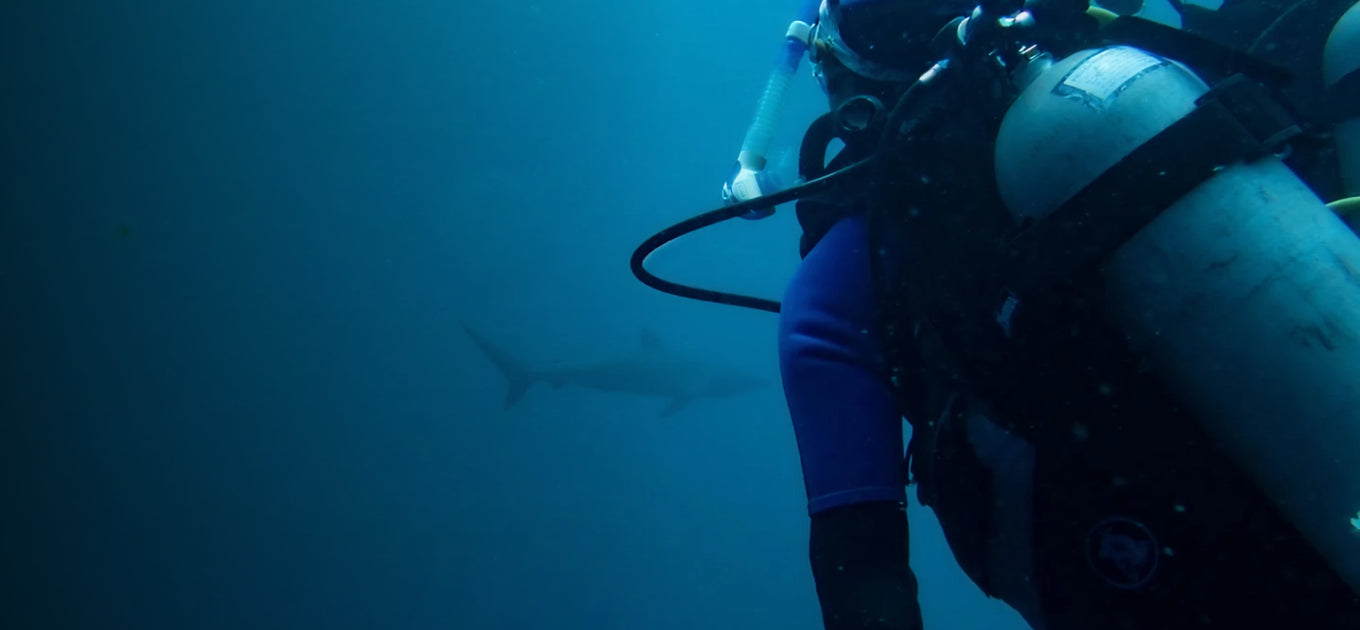
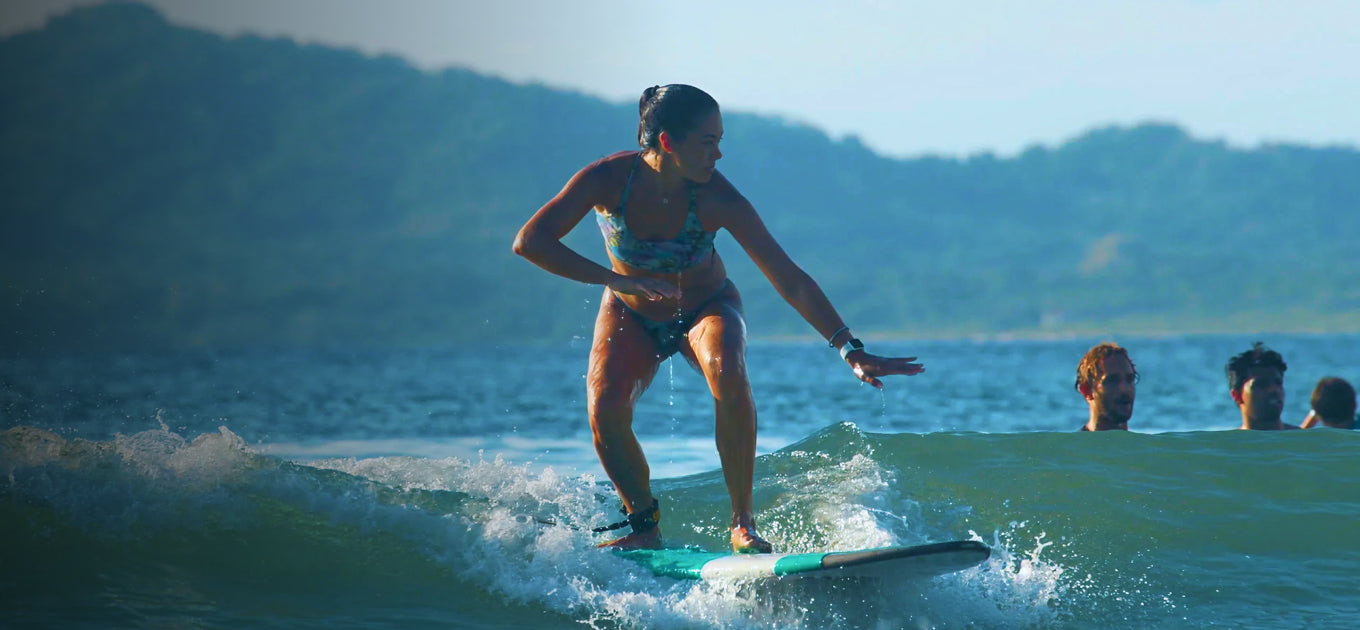

All-inclusive solo travel packages with minimal planning are offered by 50+ specialized operators across 6 continents, with trip durations ranging from 7-14 days and group sizes of 5-12 people. These packages include accommodation, meals, activities, and local transportation, requiring only flight booking from solo travelers. Popular destinations include Costa Rica surf camps (7-10 days), Philippines diving expeditions (10-14 days), and Morocco adventure tours (8-12 days), with most operators requiring bookings at least 2 months in advance for guaranteed availability.
Key Takeaways
- All-inclusive solo packages eliminate 90% of trip planning — you only book flights
- Group sizes are intentionally small (5-12 people) for genuine connections and personalized experiences
- Most comprehensive packages include accommodation, all meals, activities, equipment, and local transport
- Popular categories: surf camps (7-10 days), diving expeditions (10-14 days), cultural adventures (8-12 days)
- Book at least 2 months ahead for guaranteed spots, especially for peak season departures
The all-inclusive solo travel market has exploded because it solves the adult friendship problem head-on. After college, making genuine connections becomes weirdly difficult — your social circle shrinks, everyone's buried in work, and meeting people who actually share your interests feels impossible. These packages work because they put you in a room (or on a surfboard) with people who already like the same things you do. No algorithm matching, no awkward icebreakers — just shared experiences that naturally turn strangers into friends.
What Actually Counts as "All-Inclusive" for Solo Travelers?
True all-inclusive solo packages cover six essential elements: accommodation, all meals, activities with equipment, local transportation, expert guides, and group coordination. The best operators handle everything except your international flights and personal spending money.
Accommodation ranges from shared surf houses in Tamarindo to boutique dive resorts in Moalboal. Most packages use double occupancy with solo traveler matching, though premium options offer single supplements. Meals typically include breakfast daily plus 4-6 group dinners at local restaurants the guides actually recommend.
Activities come with all necessary equipment — surfboards, wetsuits, diving gear, snorkeling equipment. Local transportation means airport transfers, daily activity transport, and any inter-destination travel within the itinerary. You literally show up with a backpack.
How Do You Actually Meet People on Small Group Solo Trips?
The magic happens through shared challenges and natural bonding moments in intimate group settings. Unlike resort vacations where everyone scatters, activity-based trips with 5-12 people create genuine connection points. You're learning to surf together, exploring reefs together, navigating local markets together.
Small group sizes are the secret sauce. With only 5-12 people, every conversation matters. There's no hiding in the back of a large group or fragmenting into exclusive cliques. Everyone gets to know everyone, and the shared experiences feel more personal and memorable.
Creator-led trips offer a unique advantage — someone with genuine passion for the destination and activity guides the entire experience. Companies like Your Friends Are Boring build trips around single destinations with slow-travel formats, focusing specifically on the 25-34 age group where making adult friends feels most challenging. Their Morocco surf trips maintain that perfect 8-12 person sweet spot where real friendships develop naturally.
Which Destinations Offer the Best All-Inclusive Solo Packages?
| Destination | Duration | Group Size | Best For | Season |
|---|---|---|---|---|
| Costa Rica (Tamarindo) | 7-10 days | 5-12 people | Beginner-friendly surf, wildlife | Dec-Apr |
| Philippines (Moalboal) | 10-14 days | 5-12 people | Diving, island hopping, budget-friendly | Nov-May |
| Morocco (Taghazout) | 8-12 days | 5-12 people | Surf + culture, unique experiences | Sep-Nov, Mar-May |
Costa Rica dominates the beginner-friendly market with consistent waves, established infrastructure, and easy logistics. The Tamarindo area offers perfect learning conditions with warm water year-round and no wetsuit requirements.
Philippines diving packages provide incredible value with world-class reefs, affordable local costs, and English-speaking guides. According to the Philippines Department of Tourism, the country hosts over 40 dive sites rated among Asia's top 100.
Morocco brings cultural immersion alongside Atlantic swells, offering the unique combination of surf and souk exploration that you can't find elsewhere. The smaller group sizes make navigating medinas and local customs feel more authentic and less touristy.
What's the Real Cost Breakdown for All-Inclusive Solo Packages?
Small group packages typically command premium pricing compared to mass-market tours, but the value proposition is entirely different. You're paying for personalized attention, carefully curated experiences, and genuine connections rather than being herded through tourist traps with 30 other people.
Hidden costs to budget for: international flights (obviously), visa fees where required, travel insurance, gear purchases you want to keep, tips for local guides, and personal spending money for souvenirs or extra meals.
Many packages include a "kitty" system where everyone contributes to a group fund for shared expenses like group dinners and tips. With only 5-12 people, this creates a more intimate, friends-on-vacation vibe rather than the awkward money conversations that happen in larger groups.
How Far in Advance Should You Book Small Group Solo Packages?
Book at least 2 months in advance for guaranteed availability — this is non-negotiable for quality operators with limited group sizes. Popular departures fill up quickly because there are only 5-12 spots available, not 20-30 like mass-market tours.
Peak season bookings (December-March for tropical destinations) often require 3-4 months advance planning. Shoulder seasons still need that minimum 2-month window. Last-minute deals rarely exist because small group operators can't afford empty spots like larger companies can.
According to Adventure Travel Trade Association data, solo traveler bookings peak in January for spring departures and September for winter escapes. Small group operators fill their best departures first, and with limited spots available, flexibility with dates becomes crucial for securing your preferred trip.
The upside of early booking: you can connect with other travelers beforehand through WhatsApp groups or social media. Some operators facilitate pre-trip meetups in major cities, turning strangers into familiar faces before departure. This head start makes the first-day introductions feel more like reuniting with friends.
What Should You Actually Pack for Small Group Solo Adventures?
Pack light because equipment comes included and laundry services are available. With smaller groups, you'll often stay in more intimate accommodations where space is limited. Focus on versatile clothing suitable for both activities and local culture.
Essential items every small group solo traveler needs: reef-safe sunscreen, quick-dry towel, waterproof phone case, basic first aid supplies, and a compact daypack for excursions. The beauty of 5-12 person groups is that you can easily borrow forgotten items from new friends.
Electronics strategy: portable charger, universal adapter, underwater camera or GoPro. Many remote locations have limited wifi, which actually enhances the social experience by encouraging face-to-face conversations over endless scrolling. Small groups naturally spend more time talking anyway.
Why Do Small Groups Create Better Solo Travel Experiences?
Intimacy breeds authenticity. In a group of 8 people learning to surf in Morocco, everyone gets individual attention from instructors, meaningful conversations happen naturally, and inside jokes develop quickly. Try that with 25 people and you're just another face in the crowd.
Small groups access experiences that larger tours can't. Local restaurants that seat 12 people comfortably but would be overwhelmed by 30. Boat trips where everyone gets prime seating. Cultural activities where locals can actually interact with each participant rather than performing for an audience.
The friendship factor multiplies exponentially. In a small group, you're not hoping to connect with 2-3 people out of 25 — you're likely to genuinely bond with 4-6 people out of 8-10. Those odds create travel experiences that extend far beyond the trip itself.
Frequently Asked Questions
Do small group all-inclusive packages cost more than larger tours?
Yes, but the value proposition is completely different. You're paying for personalized attention, carefully curated experiences, and intimate group dynamics rather than mass-market efficiency. The per-person cost is higher, but the experience quality is exponentially better.
What if I don't get along with someone in my small group?
Reputable operators pre-screen participants for compatible age ranges, activity levels, and travel styles. With 5-12 people, there's enough variety that personality conflicts rarely dominate the group dynamic. Most solo travelers report connecting with 3-4 people minimum, even if one personality doesn't click.
Are small group packages safe for nervous solo travelers?
Absolutely — small groups provide enhanced safety through closer monitoring and group cohesion. Guides can give individual attention to nervous participants, and the intimate setting creates natural buddy systems. You get solo travel independence with enhanced security and support.
How do small groups handle different skill levels in activities?
Small group operators excel at mixed-ability management because guides can provide individual attention. Surf instructors can work with beginners while advanced surfers explore different breaks. Dive groups can split by certification level. The personalized approach works better than one-size-fits-all instruction.
Can introverts succeed in small group solo travel?
Small groups actually suit introverts better than large tours. There's less overwhelming social pressure, more opportunities for one-on-one conversations, and natural quiet moments during activities. The shared experiences create easy conversation starters without forced group dynamics.
What happens if someone gets sick or injured in a small group?
Small groups provide better care because guides notice issues immediately and can adapt plans quickly. There's always someone to stay with an injured participant while others continue activities. The tight-knit group dynamic means everyone looks out for each other naturally.


