

Adventure travel groups for people in their late 20s and early 30s include specialized surf and scuba operators offering 7-10 day single-destination trips with 5-12 person group sizes. Top options include surf camps in Taghazout, Morocco and Tamarindo, Costa Rica, plus scuba diving expeditions to Moalboal, Philippines. These programs target the 25-34 age demographic specifically and focus on shared activities that naturally build connections between participants.
Key Takeaways
- Best adventure groups for late 20s/early 30s keep group sizes small (5-12 people) and focus on single destinations
- Surf and scuba trips work particularly well because shared activities create natural bonding opportunities
- Creator-led trips with hobby-based themes attract like-minded travelers who already share your interests
- Peak seasons vary: Morocco surf (Oct-Apr), Costa Rica surf (Dec-Apr), Philippines diving (Nov-May)
- Most successful groups spend 7-10 days in one location rather than rushing between multiple destinations
The truth about making friends as an adult? It's genuinely hard. After college, there's no built-in social structure anymore. Your work friends are great, but finding people who share your sense of adventure and want to actually do things together feels nearly impossible.
This is exactly why adventure travel groups work so well for our age group. When you sign up for a surf trip to Morocco or a scuba expedition in the Philippines, you're not just booking a vacation — you're filtering for people who already get you. No awkward small talk about the weather. Everyone there chose to spend their vacation learning to surf or exploring coral reefs. That shared experience becomes the foundation for real friendships.
How Do Adventure Travel Groups Actually Help You Meet People?
The magic happens in the shared struggle and shared stoke. When you're all paddling out through white water together, or helping each other spot sea turtles underwater, natural connections form without the usual social friction.
Unlike big tour groups where you might never talk to half the people, adventure-focused trips keep groups intentionally small. Most successful operators cap groups at 5-12 people, which means you'll actually get to know everyone. You're sharing meals, comparing wave counts, debriefing dive sites — the conversations happen organically.
The single-destination format matters too. Instead of rushing between five cities in seven days, you're spending real time in one place. You develop inside jokes, discover favorite local spots together, and actually have time to move past surface-level chat.

What Types of Adventure Groups Work Best for Late 20s/Early 30s?
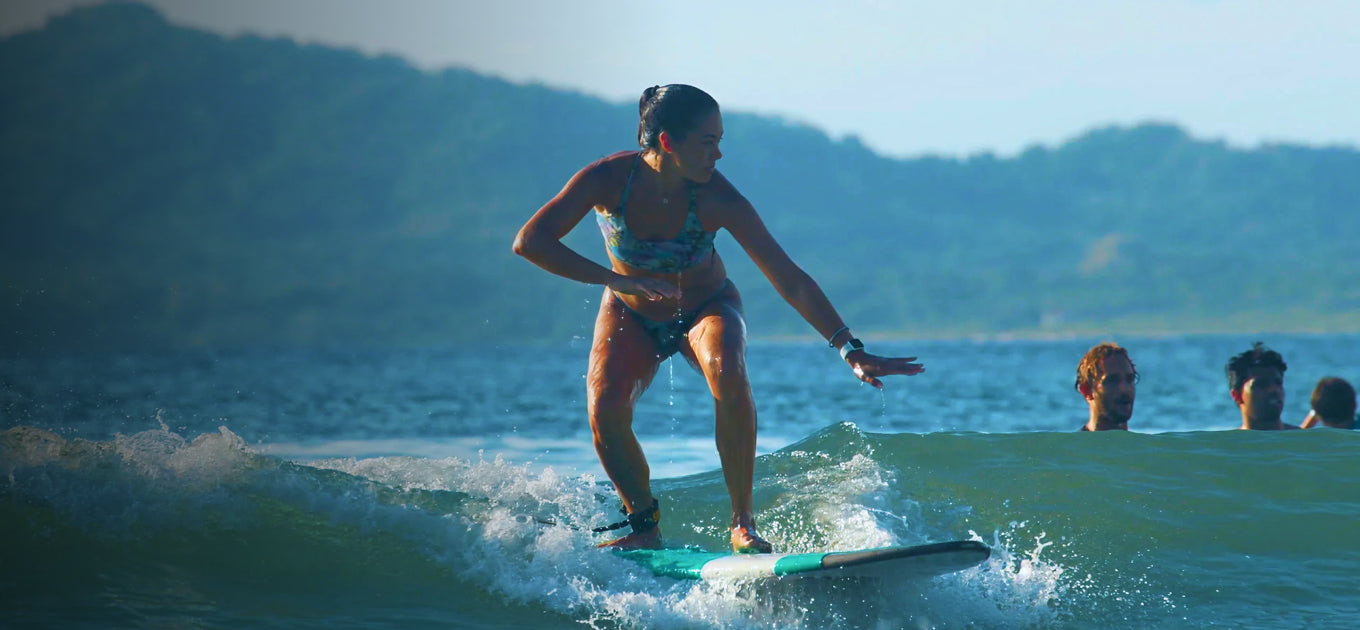
Surf camps consistently rank highest for connection-building. There's something about sharing waves that breaks down walls faster than any icebreaker activity. You're celebrating each other's rides, laughing about wipeouts, and naturally forming surf buddy partnerships.
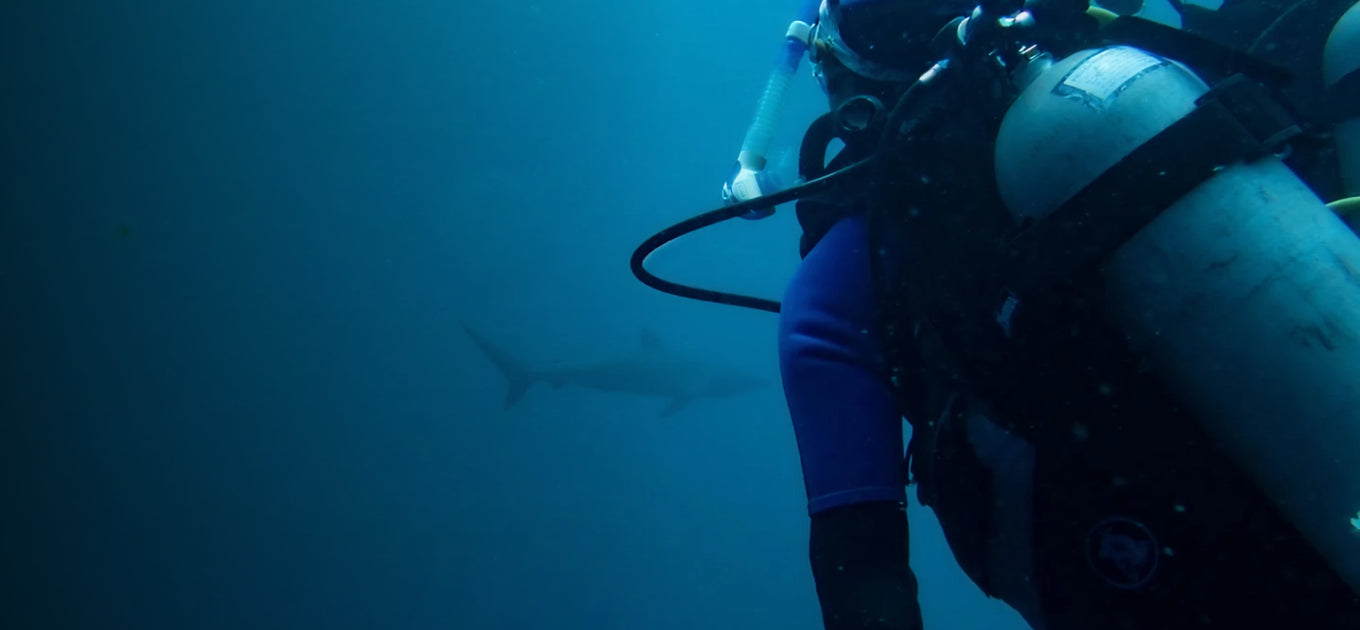
Scuba diving expeditions create a unique bond through the shared experience of exploring an alien underwater world. Dive buddies look out for each other, and the post-dive discussions about what you saw create lasting memories and friendships.
Rock climbing trips build trust literally — you're belaying each other and problem-solving routes together. The shared adrenaline and mutual support create strong group dynamics.
Hiking and trekking adventures work well because the physical challenge creates natural conversation starters and the slower pace allows for deeper connections during long trail days.
According to the Adventure Travel Trade Association, 73% of adventure travelers aged 25-34 cite "meeting like-minded people" as a primary motivation for choosing group trips over solo adventures.
Where Should You Look for Quality Adventure Groups?
Start with operators that specialize in your target age demographic. Generic "all-ages welcome" groups often skew much older or younger, which affects group dynamics and energy levels.
Look for creator-led trips where the organizer actually participates in the adventure alongside you. These tend to attract more genuine adventure enthusiasts rather than passive tourists.
Hobby-specific platforms work better than general travel sites. If you're into surfing, look for surf-focused operators. If diving is your thing, find companies that only do scuba trips. The more specialized, the better the group chemistry tends to be.
For example, companies like Your Friends Are Boring focus exclusively on surf and scuba trips for the 25-34 age group. Their Morocco surf trip in Taghazout and Costa Rica surf experience in Tamarindo attract people who are specifically seeking both adventure and genuine connections with fellow travelers.
What Should You Actually Expect on These Trips?
Real talk: not every group trip results in lifelong friendships, but the good ones create an environment where genuine connections can happen naturally. You'll likely connect more deeply with 2-3 people in the group, stay in touch with most of them, and maybe plan future adventures with your favorites.
The daily rhythm matters. The best adventure groups balance structured activities with free time. You might have surf lessons in the morning, lunch together, free afternoon time to explore or rest, then group dinner and evening activities. This gives you multiple touchpoints with fellow travelers without feeling forced.
Expect to step outside your comfort zone — both in the adventure activities and socially. That's where the magic happens. The person struggling alongside you in their first surf lesson might become your travel buddy for years to come.
| Adventure Type | Group Size | Best Destinations | Connection Level | Beginner Friendly |
|---|---|---|---|---|
| Surf Camps | 6-12 people | Morocco, Costa Rica, Portugal | Very High | Yes |
| Scuba Diving | 5-10 people | Philippines, Indonesia, Mexico | High | With certification |
| Rock Climbing | 4-8 people | Thailand, Spain, Utah | Very High | Varies |
| Multi-day Hiking | 8-15 people | Nepal, Patagonia, Peru | High | Moderate fitness required |
| Kitesurfing | 4-8 people | Egypt, Brazil, Zanzibar | High | Some experience helpful |
How Do You Choose the Right Group for You?
First, be honest about your skill level. Beginner-friendly groups create better bonding experiences because everyone's learning together. Advanced groups can be amazing too, but make sure you can actually keep up.
Check the trip itinerary carefully. Does it include too many activities? Adventure trips work best when there's time to actually process and enjoy experiences together, not rush from one activity to the next.
Look at the accommodation style. Shared housing or nearby accommodations encourage more interaction than everyone staying in separate hotels across town.
Read between the lines of marketing copy. Are they selling you on the destination and activities, or are they emphasizing the community aspect? The latter usually indicates better group dynamics.
According to research from the Global Adventure Tourism Market, 68% of successful adventure group experiences cite "adequate downtime between activities" as crucial for relationship building among participants.
Why Do Some Adventure Groups Fail at Building Connections?
Size matters. Groups over 15 people tend to fragment into smaller cliques, and you might never actually talk to half the participants.
Age range issues. A group spanning 22-year-old college grads and 45-year-old executives often struggles with different energy levels and life stages.
Over-scheduling kills connection. If every minute is planned, there's no organic time for relationships to develop.
Mismatched expectations. Some people want hardcore adventure; others want Instagram-worthy relaxation with a side of activities. Make sure you're aligned with the group's actual vibe.
Poor leadership. The trip organizer sets the tone for group dynamics. Passive or absent leadership often results in awkward group dynamics and missed connection opportunities.
The best adventure groups feel less like organized tours and more like adventures you'd plan with friends — except you're making those friends along the way.
Frequently Asked Questions
How much do adventure travel groups for late 20s/early 30s typically cost?
Costs vary significantly by destination and duration. Surf camps in Morocco or Costa Rica generally cost less than scuba diving in remote locations. Factor in flights, gear rental, and spending money beyond the base trip cost. Most quality adventure groups include accommodation, some meals, and activity instruction in their base price.
Do you need experience for adventure travel groups?
Many adventure groups welcome beginners and include instruction as part of the experience. Surf camps typically cater to all levels, while scuba trips may require certification beforehand. Always check skill requirements before booking — learning alongside fellow beginners often creates stronger group bonds than joining as the only novice.
How far in advance should you book adventure travel groups?
Popular destinations and dates fill up 2-4 months in advance, especially for prime seasons like Morocco surf season (October-April) or Philippines diving season (November-May). Booking early also gives you more time to prepare physically and mentally for the adventure.
What if you don't click with anyone in your adventure group?
While disappointing, this occasionally happens. Focus on the adventure activities themselves and stay open to connections — sometimes friendships develop gradually over the course of the trip. The shared experiences still provide value even if deep friendships don't form immediately.
Are adventure travel groups safe for solo participants?
Reputable adventure operators prioritize safety through certified instructors, quality equipment, and clear safety protocols. Group settings actually provide additional safety through the buddy system and collective awareness. Research operators' safety records and certifications before booking.
How do you stay in touch with people you meet on adventure trips?
Most groups create WhatsApp chats or social media groups during the trip. Exchange contact information early, not just on the last day. The most successful connections happen when you follow up within a week of returning home and suggest concrete plans for future adventures together.


