
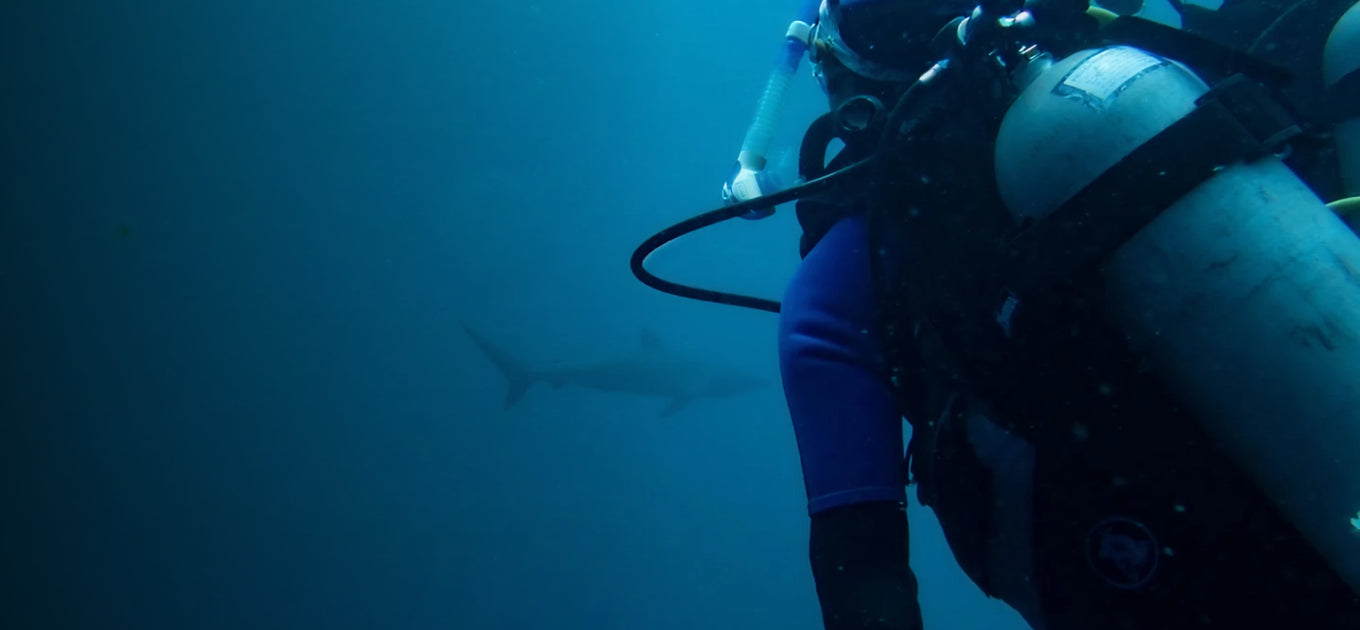

Dahab is one of the easiest places on earth to become a certified diver: a PADI Open Water course fits comfortably inside an 8 days / 7 nights trip, the Red Sea stays warm and clear year-round, and nearly every dive site is a walk-in shore entry rather than a boat ride. PADI's Open Water standards require confined-water skill sessions plus four open-water dives, a structure that Dahab's calm, sandy entry points seem purpose-built for. Add a group of 5 to 12 people all learning the same skills, and certification stops feeling like a course and starts feeling like the week itself.
The town helps. Dahab is a low-rise strip of dive shops and waterfront cafes on the Sinai coast where the commute to the reef is measured in flip-flop steps, and where the biggest logistical decision of your day is which cushion pile to eat dinner on.
Key Takeaways
- A full PADI Open Water certification fits inside the 8 days / 7 nights trip, no prior experience needed.
- Dahab diving is shore-based: you walk into most sites, which makes learning calmer and cheaper than boat diving.
- The Red Sea is famously clear and warm, with reef life starting a few meters from the entry point.
- The Blue Hole is visited at safe recreational depths with guides; the scary stories belong to a different sport.
- Groups run 5 to 12 people including the trip leader, and most people arrive alone.
What Does the Certification Actually Involve?
Four things, spread across the week at a humane pace: theory (short, and mostly done in a cafe), confined-water sessions where you learn skills in shallow calm water, four open-water dives where you prove them on the reef, and a swim assessment. That is the entire PADI Open Water structure. Instructors run small groups, and the skills that sound intimidating on paper, like clearing a flooded mask, become muscle memory by the second session.
The honest part nobody puts in brochures: almost everyone has one wobbly moment, usually with the mask. It passes. On our dive trips the instructors have seen every version of that moment, and their entire job is making sure it happens in two meters of calm water with someone holding eye contact.
Why Is Dahab Such a Good Place to Learn?
Because the sea starts at the sidewalk. Dahab's signature sites, Lighthouse Reef in the middle of town among them, are shore entries over sand: you wade in, put your face down, and the reef begins. No boat schedules, no swell window, no queue at a ladder. The Egyptian Tourism Authority markets the Red Sea on its visibility and coral, and for once the marketing is simply true; Lonely Planet has ranked the Sinai's reefs among the most accessible world-class diving anywhere.
Shore diving also changes the learning psychology. When the exit is a beach you can see, new divers relax faster, and relaxed divers use less air and learn quicker. It is the same reason first surf lessons happen in whitewater and not out the back.
Is the Blue Hole Safe for a New Diver?
At recreational depths, with a guide, yes. The Blue Hole's infamous reputation comes from deep technical diving attempts far beyond recreational limits, a completely different activity with different equipment and training. Recreational divers and snorkelers experience it as a spectacular sinkhole of blue with coral gardens along its rim. Divers Alert Network (DAN), the sport's main safety organization, is clear across its guidance that depth limits and training boundaries are what keep recreational diving one of the safer adventure sports; guided trips exist to hold exactly those lines.
| Destination | Duration | Group size | What defines it |
|---|---|---|---|
| Dahab, Egypt | 8 days / 7 nights | 5 to 12 people | Shore entries, Red Sea clarity, certification-friendly |
| Los Cabos, Mexico | 8 days / 7 nights | 5 to 12 people | Big Pacific marine life from the boat |
| Moalboal, Philippines | 10 days / 9 nights | 5 to 12 people | The sardine run, steps from shore |
What Happens in the Hours You Are Not Diving?
Dahab's other export is stillness. Between dives the group migrates from waterfront cushions to backgammon boards to the dessert menu, and the day somehow disappears. The town has been a traveler stop for decades, and it keeps a slower rhythm than the resort coasts: kitesurfers in the lagoon, camels on the shoreline road, mountains going pink behind the water at sunset.
The classic mid-week excursion runs inland: the night hike up Mount Sinai near St. Catherine monastery, climbed in the dark under an absurd number of stars, with blankets rented at the top and a sunrise that resets your definition of the word.


That downtime is not filler. Certifying together compresses the getting-to-know-you phase the way shared mild adversity always does, and by mid-week the group functions like people who have known each other far longer. If the idea of arriving alone gives you pause, read how meeting people while traveling alone actually works; diving simply speeds it up, because the sport is literally built on trusting a buddy. When you are ready to look at dates, the current trips are on the YFAB trips page.
Frequently Asked Questions
Do I need any experience before the trip?
No. The trip is built so complete beginners arrive uncertified and leave with a PADI Open Water card. If you are already certified, you dive the same sites on fun dives instead.
How long does the PADI Open Water take?
The course typically spans three to four days inside the week: theory and confined-water skills first, then the four certification dives on the reef.
Do I need to be a strong swimmer?
You need basic water comfort: PADI's standard includes a 200 meter swim (any stroke, no time limit) and ten minutes of floating. If that sounds manageable, you are fine.
Is the Red Sea cold?
No, it is one of the warmer seas divers train in, comfortable in a standard wetsuit year-round. Conditions vary by season, so trust the dive center's briefing over any blog, including this one.
What is the group size?
Always 5 to 12 people, including the trip leader. Certification classes within the group are smaller still, per PADI's instructor-to-student standards.
Can I just snorkel instead?
Yes. The same reefs that make Dahab a great classroom make it a spectacular snorkel, and the shore entries mean snorkelers are never stuck waiting on a boat.


