
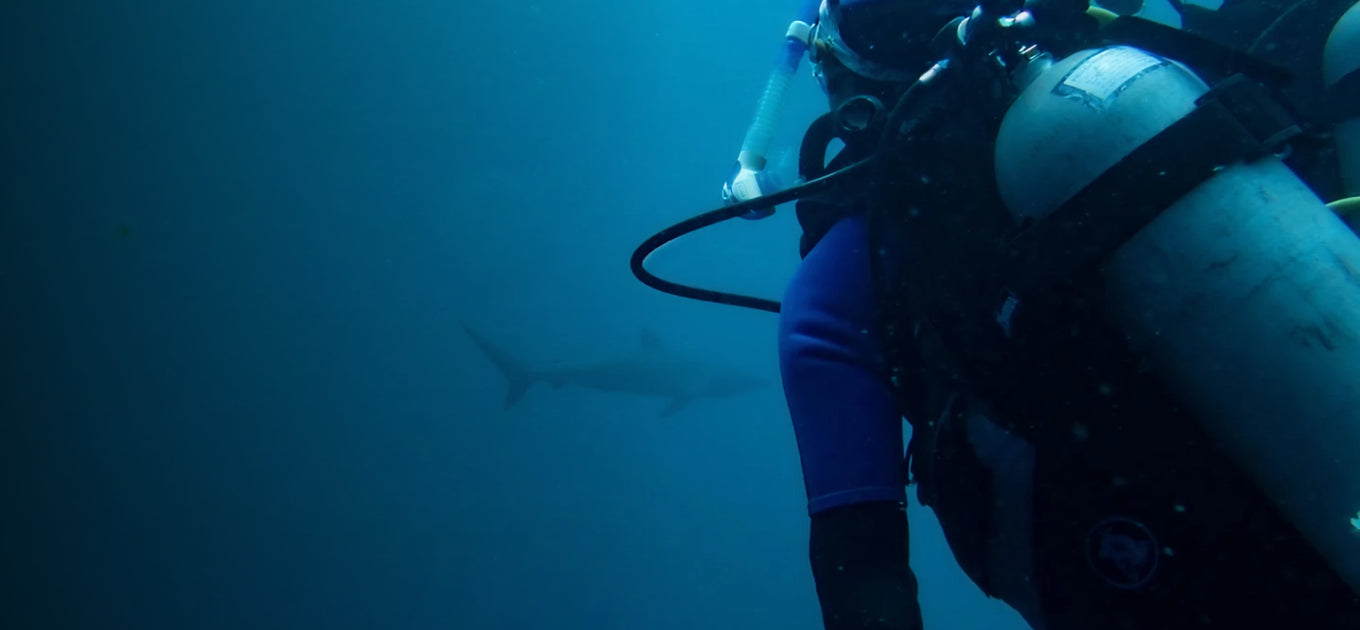


Travel after a breakup helps most when it gives you something new to be, not just somewhere new to be sad. The research on recovery points the same direction: a 2015 study in Social Psychological and Personality Science found that people who rebuilt a clear sense of self after a breakup recovered faster, and learning a demanding new skill in a new place is one of the more reliable ways to do that. A change of scenery alone is a vacation. A change of scenery plus a hard new hobby and a group of strangers is a reset.
Let's be honest about the fantasy first. The plan is to fly somewhere beautiful and return a serene, mysterious new person. The reality is you will cry once at an airport and then get distracted by trying not to drown. Both of those are the process working. (Nobody journals their way calm on a surfboard. There is no time.)
Key Takeaways
- Travel helps a breakup most when it rebuilds identity, not when it is pure escape.
- Learning a hard new skill gives the brain something absorbing to do, which research links to faster recovery.
- A group of strangers resets your social world without requiring you to explain anything.
- Skip the "heal on a beach alone" fantasy; solitude plus rumination is the trap, not the cure.
- The goal is a new chapter and new people, not a highlight reel that hides the same feelings.
Does Traveling After a Breakup Actually Help, or Is It Just Running Away?
It helps when it is a reset and hurts when it is a hiding place. The difference is what you do when you land. Sitting alone on a pretty beach with your phone gives rumination a nicer backdrop, and the American Psychological Association has long flagged rumination as the thing that keeps people stuck. Doing something hard and absorbing does the opposite: it occupies the exact mental space the breakup wants to fill.
That is why the destination matters less than the activity. A week learning to surf or dive forces your attention outward, onto the wave, the breath, the group, and gives your nervous system a break from replaying the last conversation. The reset is real, but it comes from the doing, not the departures board.
Why Does Learning a Hard New Skill Work So Well?
Because it rebuilds the part of identity a breakup dents. Relationships blur two lives together, and the aftermath is partly a question of "who am I on my own now." Psychologists call the recovery process "self-concept repair," and the 2015 Social Psychological and Personality Science work found that a clearer post-breakup self-concept predicted better emotional recovery. Becoming a person who can stand up on a surfboard, or who got their PADI Open Water in a week, is a small but concrete answer to that question.

There is a bonus effect. Skills come with a group of people learning the same thing, which means you rebuild a social world at the same time as a self. You do not have to tell anyone why you booked. You are just the person who keeps falling off the same wave, which is a much lighter identity to wear for a week.
What Kind of Trip Actually Resets You (and What to Skip)?
Skip the party-island reset and the "find yourself alone in a temple" reset. The first swaps one distraction for a louder one; the second, for a lot of people fresh out of a relationship, is just rumination with better lighting. What tends to work is a single-destination, hobby-based week with a small group, because it hits all three levers at once: new place, absorbing skill, new people.
| The plan | What it actually does | Reset value |
|---|---|---|
| Party island with strangers | Louder distraction, same feelings on the flight home | Low |
| Solo beach retreat, no plans | Pretty backdrop for rumination | Low to mixed |
| Multi-country whirlwind | Exhaustion cosplaying as growth | Low |
| Single place, one hobby, small group | New self, new skill, new people at once | High |
The Priya Parker book The Art of Gathering (2018) makes the case for the group size that does this best: 5 to 12 people, small enough that nobody disappears, varied enough that you are not stuck in one conversation. It is the same reason a group surf trip works for people arriving alone.
When Should You Wait, and When Should You Just Go?
Wait if the only goal is to make an ex notice, or if you cannot yet get through a day without needing to be horizontal. Go if you are functional but flat, stuck in the loop, and craving something that is entirely yours. There is no correct grief timeline, and anyone selling you "wait exactly six weeks" is guessing. You know the difference between needing rest and needing a push.
If it is the push you are after, this is how group trips work for people who arrive alone, and the trips themselves live on the YFAB trips page. No one on them will ask about your ex. They will ask if you want to try the next wave.
Frequently Asked Questions
Is it healthy to travel right after a breakup?
It can be, if the trip gives you something to do rather than just somewhere to sit. Absorbing activity and new people help; solitude plus a pretty view can quietly feed rumination, which research links to staying stuck.
Should I travel alone or with a group after a breakup?
A small group often works better than pure solo travel for a reset, because it rebuilds your social world without requiring you to explain anything. You get the independence of going alone and the company of arriving into a group.
How soon after a breakup should I book a trip?
There is no fixed timeline. A good signal is that you are functional but flat and stuck in a loop. If you cannot yet get through ordinary days, rest first; the trip will still be there.
Will a trip actually fix how I feel?
No single week fixes a breakup, and anything promising that is lying. What a good trip does is prove you still build a new self and new friendships fast, which changes the story you tell about what comes next.
What kind of trip is best for a reset?
A single destination, one absorbing hobby, and a small group. It rebuilds place, skill and people at once, which is more than a party island or a solo beach retreat tends to deliver.
What should I avoid?
Avoid trips built purely around distraction or purely around solitude. The first hides the feelings for a week; the second can amplify them. The sweet spot is doing something hard alongside other people.


