
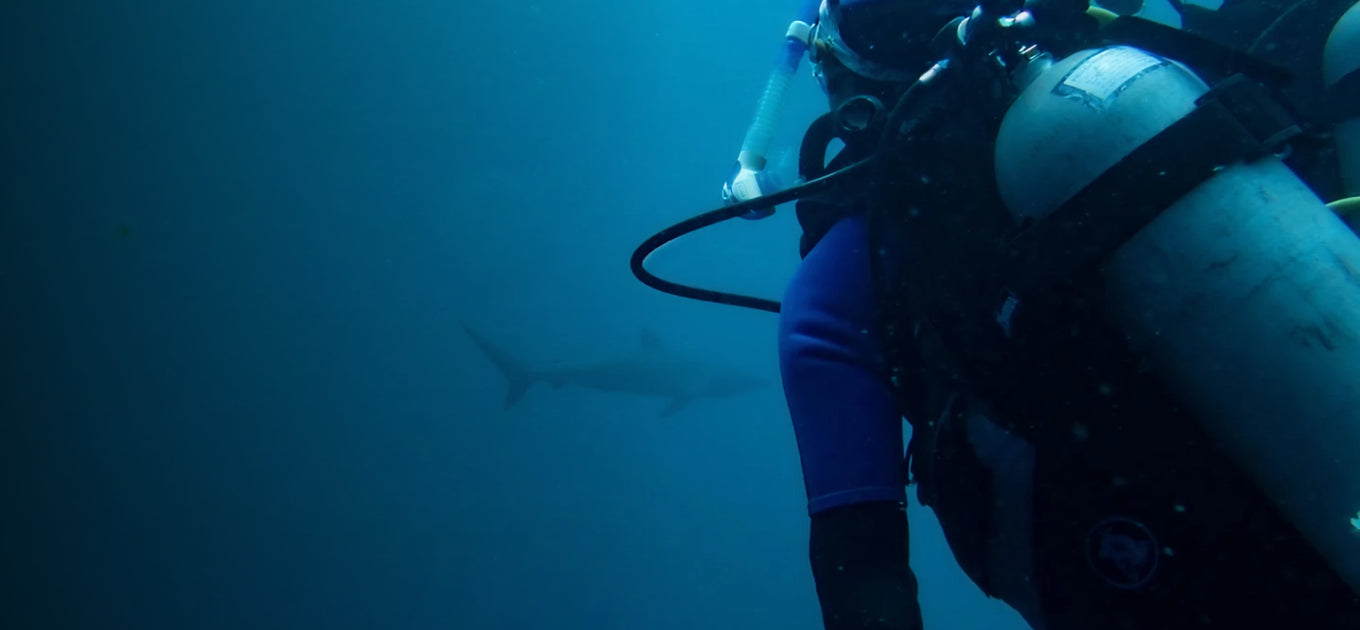
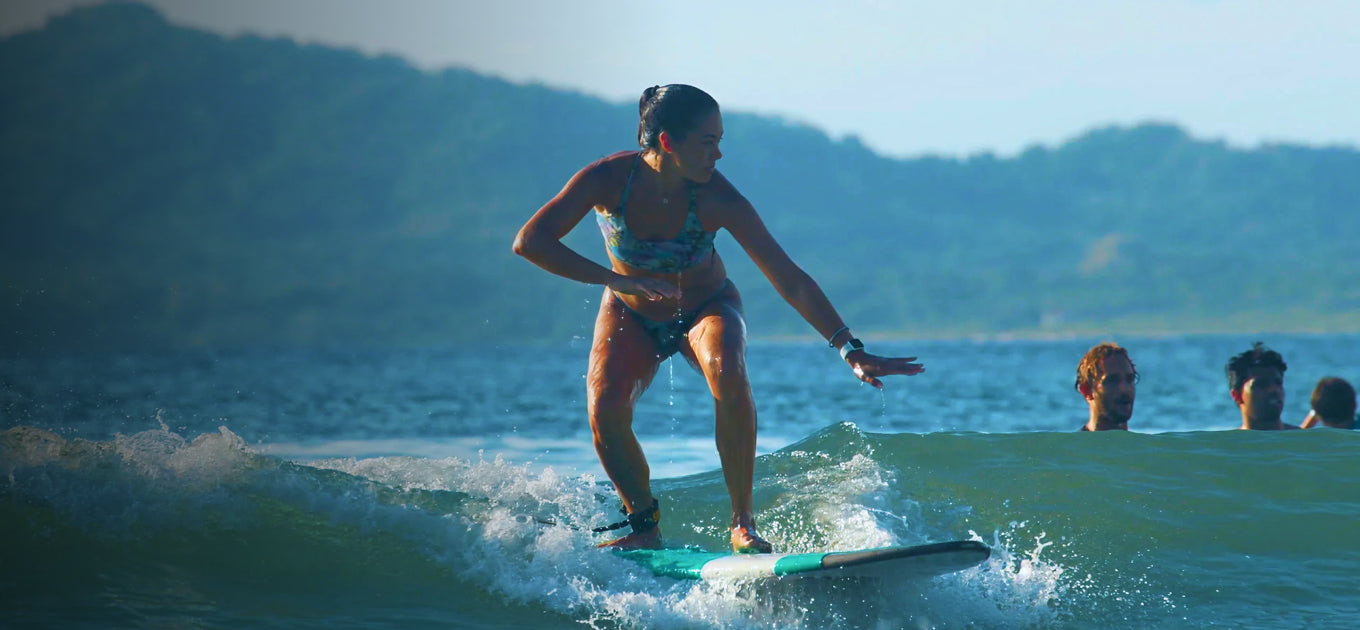

Snorkeling and scuba diving both put you in the water with the reef, but they answer different questions: snorkeling lets you float on the surface and look down with zero training, while scuba takes you into the underwater world for up to an hour with a certification and a tank. For a total beginner deciding which to try first, the honest answer is that snorkeling is the free sample and scuba is the meal. Most people who love one end up curious about the other, and a good dive trip lets you do both.
Put simply. Snorkeling is watching the aquarium through the glass. Scuba is being inside it, breathing, while a turtle decides whether you are interesting. (You are not. The turtle has seen it all.)
Key Takeaways
- Snorkeling is surface-level, needs no training, and works for anyone comfortable in water.
- Scuba takes you underwater for extended time but requires certification, a tank, and a guide.
- Beginners can do both on the same trip; snorkeling the sardine run, then diving it certified.
- The famous marine encounters (turtles, big schools) are visible snorkeling but immersive scuba.
- Choose snorkeling to sample, scuba to go deeper, literally and in commitment.
What Is the Real Difference?
Depth and time. Snorkeling keeps you at the surface with a mask and a breathing tube, looking down at whatever is in the top few meters. It needs no training and almost no gear. Scuba diving takes you down into the water column for 30 to 60 minutes on a single tank, which requires a certification because you are now managing air, buoyancy and depth. PADI, the largest dive training body, built the Open Water course precisely to make that manageable for beginners.
Both are legitimate ways to see a reef. The question is not which is "better" but how far in you want to go, and how much you want to commit before you find out you love it.

Which Is Better for a Nervous Beginner?
Start with snorkeling if the idea of breathing underwater makes your chest tight, because it lets you build water comfort with an easy exit: lift your head and you are breathing air. It is the gentlest possible introduction to face-in-the-water reef time, and for a lot of people it is the thing that makes scuba feel less alien afterward.
But do not write off scuba because of nerves. The fear is nearly always about breathing underwater, and dive training dismantles it in shallow, standing-depth water first, which we cover in detail in our guide to being scared of scuba diving. Divers Alert Network (DAN), the sport's safety organization, consistently frames recreational diving as low-incident when its rules are followed, and a guided beginner course is built around exactly those rules.
| Snorkeling | Scuba diving | |
|---|---|---|
| Training needed | None | Certification (e.g. PADI Open Water) |
| Time underwater | Surface only, breath-held glimpses | 30 to 60 minutes per dive |
| Gear | Mask, snorkel, fins | Tank, regulator, BCD, weights |
| Best for | Sampling, easy exits, nervous starts | Going deeper, longer, more immersive |
| Commitment | Minutes | A course, then a lifelong card |
Can You Do Both on the Same Trip?
Yes, and it is the smartest way to decide. On a dive trip you can snorkel the highlight on day one and, if you are hooked, complete your certification and dive the same site later in the week. In Moalboal, snorkelers see the famous sardine run from the surface while divers hang inside it; the encounter is spectacular both ways. That is the beauty of not choosing in advance: the water tells you which one you are.

YFAB dive trips run 8 days / 7 nights in groups of 5 to 12 people, with room to get certified during the week or just snorkel the good stuff. If you already know you want the full underwater version, our guide to getting your PADI Open Water in Dahab walks through the certification week.
Frequently Asked Questions
Is snorkeling easier than scuba diving?
Yes. Snorkeling needs no training and keeps you at the surface with an easy exit, while scuba requires a certification and manages air, depth and buoyancy. Snorkeling is the gentler starting point.
Should a beginner snorkel or scuba dive first?
Either works. Snorkel first if breathing underwater makes you nervous, since it builds water comfort with an easy exit. Go straight to scuba if you want the full immersive version and are ready for a short course.
Can you see the same marine life snorkeling and scuba diving?
Often yes, but differently. Turtles and big schools are visible from the surface while snorkeling, but scuba lets you stay down among them for up to an hour instead of a held breath.
Do you need to be certified to snorkel?
No. Snorkeling needs no certification. Scuba diving does require one, such as a PADI Open Water card, which you can earn during a dive trip.
Can I try both on one trip?
Yes, and it is a great way to decide. You can snorkel a site early in the week and, if you are hooked, get certified and dive it before the trip ends.
Is scuba diving safe for beginners?
Recreational diving is considered low-incident when its rules are respected, and beginner training starts in shallow, standing-depth water with a guide. The fear is usually about breathing underwater, which the course dismantles step by step.


