
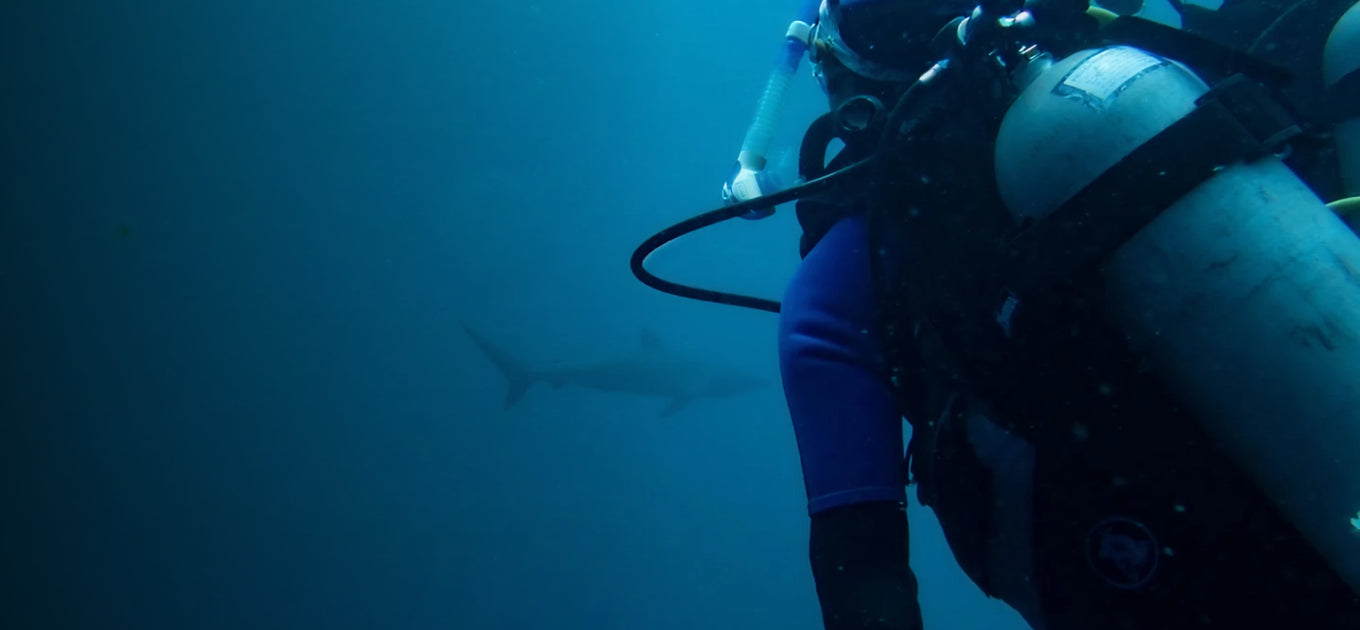
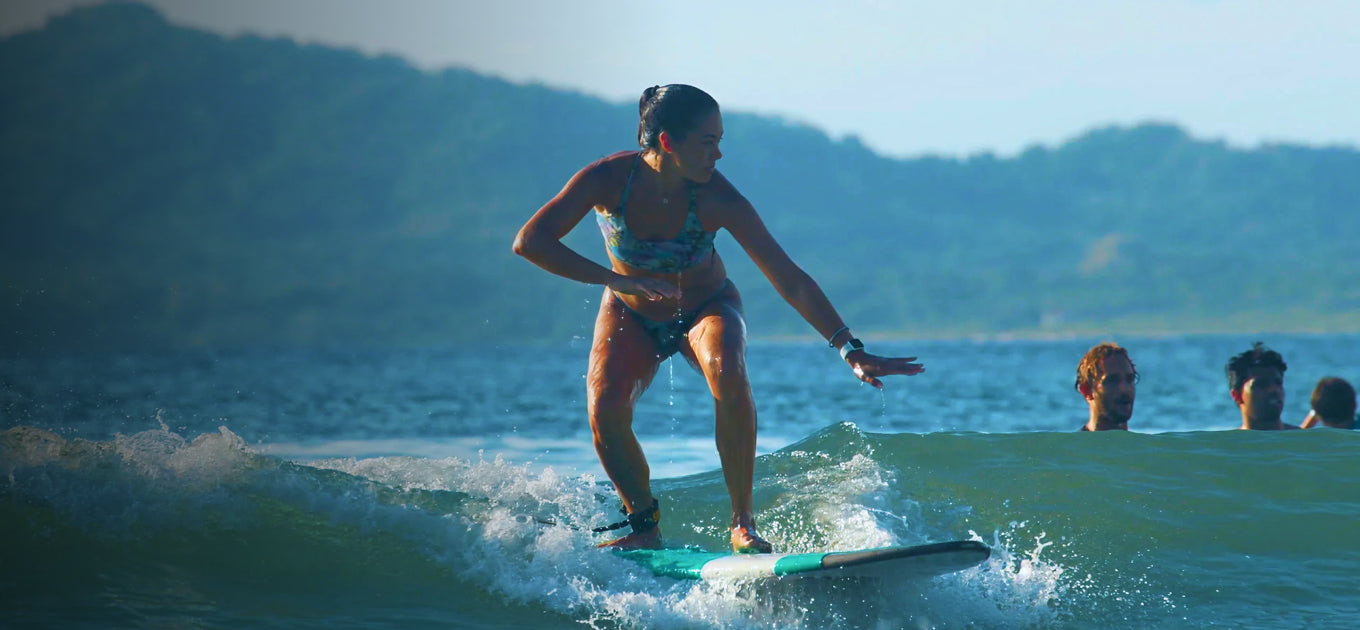

A rest day on a surf trip is one full day off the board in the middle of the week, and for beginners it is the single most useful day of the trip. Paddling does most of the work in a surf session, and it loads the shoulders and upper back in a way most bodies have never been asked to repeat five mornings in a row, under equatorial sun. On an 8 days / 7 nights surf trip, one planned day off around day four or five is what keeps you surfing on day seven instead of watching from the sand.
Here is the part that sounds wrong until you have lived it. You will fly across the world to surf, and the best thing you can do for your surfing is to not surf for a day. (Your shoulders will send a thank-you note. Your instructor already knows.) In Tamarindo the day off is not a punishment anyway, because the jungle starts about a block behind the beach and it is full of monkeys with opinions.
Key Takeaways
- Beginners need a mid-week rest day because paddling fatigue and shoulder overuse peak around day three or four, before the body has adapted.
- A good rest day has no surfboard in it: sleep, food, water, gentle movement and shade, then an early night.
- In Tamarindo the rest day usually means a jungle waterfall day trip, howler monkeys and toucans, the estuary at high tide, or the beach town at golden hour.
- On YFAB's 8 days / 7 nights Tamarindo trip, the group of 5 to 12 people usually takes the off day together.
Why Do Beginners Need a Rest Day on a Surf Trip?
Because a beginner's body has not built the paddling muscles yet, and it cannot build them without a break. Every surf session is mostly paddling: out through the whitewater, back to the peak, into the wave, repeat. The International Surfing Association structures its beginner progression in short, guided sessions for this reason, and Surfline's surf fitness coverage points at the shoulder as the joint surfers wear out first. Nobody warns you that surfing is an arm sport because everybody who knows has already forgotten how much it hurt.
The soreness curve is predictable. Day one is adrenaline. Day two you find new muscles in your back. Day three your pop-up gets sloppy because your arms are late, and a sloppy pop-up is how you catch a fin in the thigh. The American College of Sports Medicine recommends leaving around 48 hours between sessions that load the same muscle group, and paddling loads the same muscle group every single morning. Muscle is built in the gap, not in the water.
Rest days also fix your head. By mid-week most beginners are frustrated and tired, and frustration reads as "I am bad at this". You are not. You are undertrained and overcooked.
What Does a Week of Sun Do to Your Skin?
More than you expect, because a surf lesson is a sunbathing session in disguise: hours lying face down with your back, neck and calves pointed at the sky. The CDC notes that UV rays are strongest between 10am and 4pm, that water and sand reflect them, and that sunscreen needs a broad-spectrum SPF of 15 or higher, reapplied every two hours and after swimming. Tamarindo sits roughly ten degrees north of the equator. The sun there is not messing around.
By day four the damage is cumulative: the backs of the knees, the ears, the lower lip, the hairline. A rest day in the shade is the only way to stop adding to it.
How Do You Structure a Surf Trip Rest Day?
Take the whole day, not the morning, and take it around day four or five. A half rest day where you "just paddle out for one" undoes the point. The structure that works is boringly simple: sleep with no alarm, a slow breakfast, water all day, something that moves your legs without loading your shoulders, shade at midday, an early night. Stretch your chest and the front of your shoulders, which tighten from lying on a board, and leave the back alone.
No compensating either. A "rest day" that turns into a beach volleyball tournament with the guys from the hostel is not one. On our Tamarindo trips the group usually lands on the off day together, because by then everyone is sore at once and someone at dinner says the thing everyone was thinking.
| Option | What it involves | Arm load | Best for |
|---|---|---|---|
| Jungle waterfall day trip | Van inland, walk down, swim under the fall | Low | Sore shoulders, restless legs |
| Wildlife morning | Dawn walk, look up, listen for howlers | Almost none | Anyone with a phone camera |
| Estuary boat at high tide | Mangroves and crocodiles, someone else drives | None | The properly wrecked |
| Beach town at golden hour | Walk, sit, watch the sun hit the Pacific | None | Everyone, every evening |
What Do You Do in Tamarindo When Your Arms Quit?
You go inland, because the jungle is where Tamarindo keeps its second half. The classic day off is a waterfall trip: Llanos de Cortés, roughly an hour and a half to two hours by van, is the one most groups pick, a wide curtain of water into a turquoise pool with its own sandy beach, reached by a wooden staircase through the trees that feels like a level in a video game. You swim under the fall, eat something on the rocks, and sleep in the van on the way back. Lonely Planet treats Guanacaste's dry tropical forest as a destination in its own right, not a backdrop to the beach, and after one day in it you will agree.
The wildlife does not require a day trip. The Costa Rica Tourism Board lists howler monkeys, iguanas and toucans among the animals you can expect in Guanacaste, and the country as a whole holds about 5% of the world's biodiversity on a sliver of land smaller than West Virginia. Howler monkeys are the alarm clock: a sound like a bear gargling gravel from a tree above the hostel at 5am. Iguanas sit on every hot roof in town like they pay rent. Toucans are the reward for looking up, which sore surfers do a lot of anyway. (Your boring friends have a Netflix nature documentary paused at the 12-minute mark. You have the actual toucan.)

Is the Tamarindo Estuary Worth a Rest Day?
Yes, and people underestimate it because it is a five-minute walk from the surf. The estuary at the north end of the beach is mangrove forest, part of Las Baulas National Marine Park, and a small boat takes you through it at high tide with somebody else's arms on the motor. Crocodiles on the mud banks, herons in the roots, and across the water Playa Grande, where leatherback turtles nest between roughly October and March according to the Costa Rica Tourism Board.
Then there is the town at golden hour. Tamarindo faces west, the sun drops into the Pacific a little after 5:30pm all year, and the whole beach turns to face it like a congregation. Walk the sand back toward town, sit down when your legs say so, and watch the surfers who skipped the rest day get worked in the sunset. Be honest: when was the last time you took a day off from anything on purpose? Not a sick day. Not a Sunday spent dreading Monday. A day you chose, so that the next one would be better.
The Rest Day Is Why Day Six Feels Easy.
Day six after a rest day is the session where the pop-up arrives on time, the paddle feels light and you catch the wave you would not have looked at on Monday. That is not magic. That is 48 hours of recovery landing on a body that finally had time to adapt. Our guide on how to train for a surf trip covers the paddling muscles; what a full week surfing in Tamarindo feels like is written up too.
YFAB runs Tamarindo as 8 days / 7 nights with a group of 5 to 12 people, including the trip leader, who is a creator that surfs, not a guide with a clipboard. There is no fixed itinerary for the day off; on our Tamarindo trips the plan usually gets made at lunch, when someone says "waterfall?" and the sore half of the table says yes before the sentence is finished. The Tamarindo surf trip page has the dates. Bring the rash guard. Leave the Slack notifications at home.
Frequently Asked Questions
Do you really need a rest day on a surf trip?
Yes, if you are a beginner on a week-long trip. Soreness peaks around day three or four, and a full day off lets the muscles adapt so you surf well on the last days instead of limping through them.
Which day should the rest day be?
Around day four or five of an 8 days / 7 nights trip. That is when soreness peaks for most beginners, leaving two or three surf days to feel the difference.
Can I do a half rest day and surf in the afternoon?
You can, but it mostly defeats the point. The American College of Sports Medicine points to around 48 hours between sessions that load the same muscles, and paddling loads them every session.
What is the best rest day activity near Tamarindo?
The jungle waterfall day trip, usually Llanos de Cortés, about an hour and a half to two hours inland. It moves your legs, rests your arms and gets you out of the sun for the middle of the day.
Can you see howler monkeys and toucans in Tamarindo without a tour?
Yes. Howler monkeys are loudest at dawn in the trees around town, iguanas are everywhere, and toucans show up if you look into the canopy; the Costa Rica Tourism Board lists all three as typical Guanacaste wildlife.
How do I protect my skin on a surf trip?
Broad-spectrum sunscreen with SPF 15 or higher reapplied every two hours and after every session, a rash guard for all of them, and shade between 10am and 4pm when the CDC says UV is strongest.


