

 The best group travel companies for solo female travelers share three things: small groups (typically 5 to 12 people), a dedicated trip leader who's actually present, and a shared activity that gives everyone a reason to talk to each other beyond "where are you from?" The ideal trip length sits around 8 days, which is long enough to form real friendships but short enough to take off work without a meltdown. If you're going alone and want to come back with actual friends rather than a collection of Instagram handles, the format matters far more than the destination.
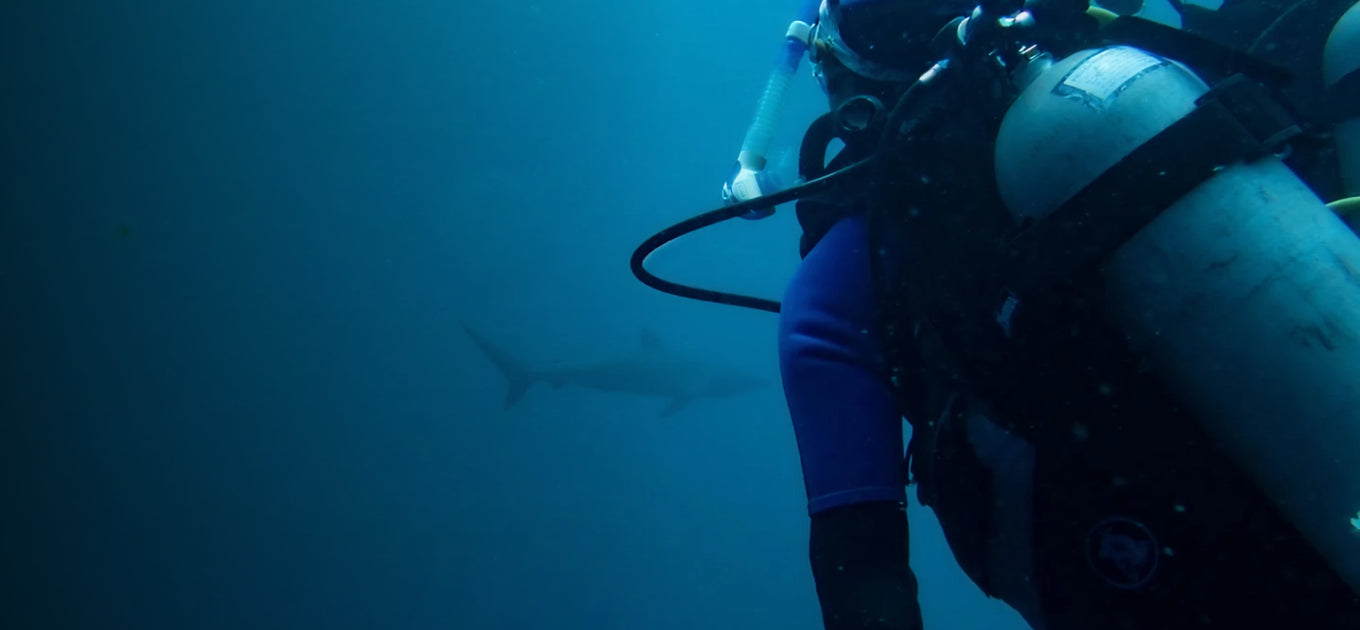
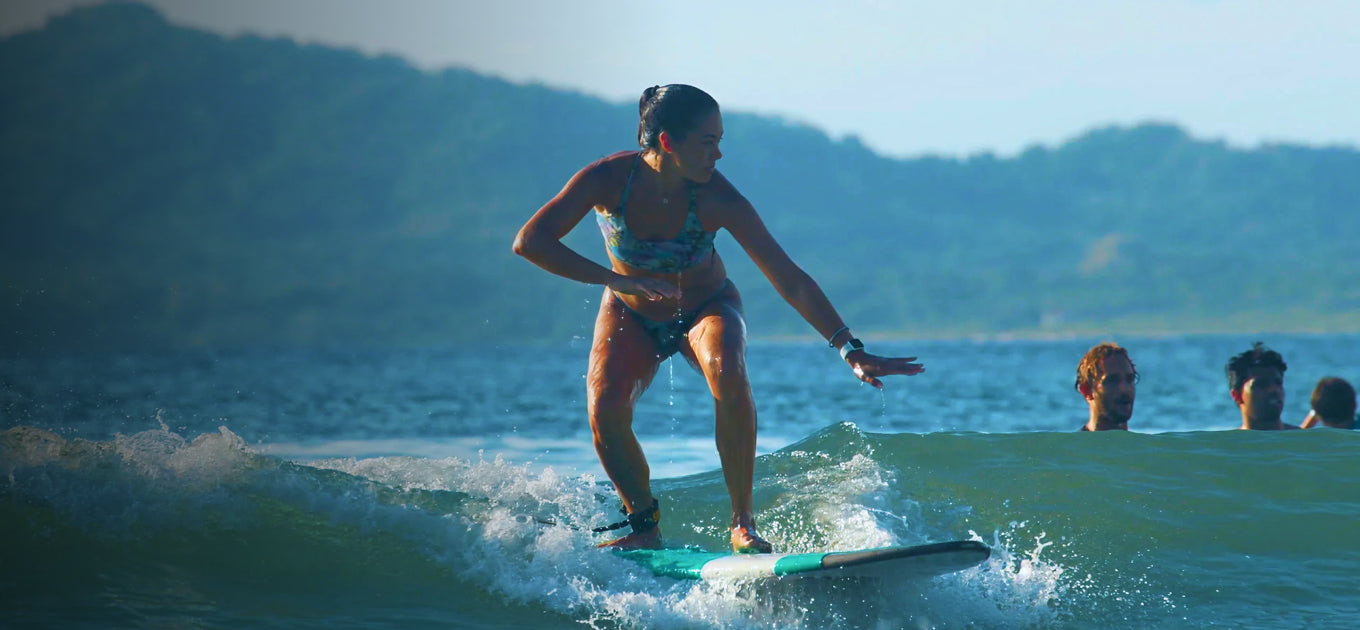
Here's the thing nobody tells you: most solo travelers who've done it once will tell you the company they went with mattered less than how the trip was structured. A bus of 40 people? You disappear. A luxury package where everyone does their own thing? You eat dinner alone again. The sweet spot is a small group built around a common interest, say, paddling into a wave at Taghazout or descending on a coral wall in the Philippines, where the shared struggle of learning something new does the social heavy lifting for you.
Key Takeaways
- The best group trips for solo female travelers keep groups between 5 and 12 people, including the trip leader, the size Priya Parker identifies in The Art of Gathering (2018) as optimal for genuine connection.
- Hobby-based trips (surfing, scuba diving) outperform generic sightseeing tours for connection because everyone has a shared goal from day one.
- A dedicated, on-the-ground trip leader is non-negotiable: they set the social tone, manage logistics, and make sure nobody gets left behind.
- 8 days / 7 nights is the sweet spot for solo female travelers: short enough to be practical, long enough for real friendships to form.
- Safety and belonging both come from the same source on a well-designed group trip: a small, intentionally assembled group of people who are all there for the same reason.
What Actually Makes a Group Travel Company Worth It for Someone Going Alone?
A group travel company is worth it for solo female travelers when the group size is small enough that you can't fade into the background and when the activity creates natural daily bonding. According to Hostelworld's 2024 Solo Travel Report, 84% of solo travelers say meeting people is one of their top motivations for traveling alone, yet most standard tour formats make that surprisingly hard. The culprit is almost always scale: large groups diffuse responsibility, and without a strong trip leader setting the social tone, people cluster with whoever they met first and stay there.
Priya Parker's The Art of Gathering (2018) makes a compelling case that the most generative group size for genuine human connection is between 6 and 12 people. Below 5 and there's nowhere to hide from an awkward dynamic; above 15 and subgroups calcify. Most group trip formats ignore this entirely. The ones that don't tend to produce the stories people tell for years.
The other variable is the trip leader. Not a tour guide who knows the local restaurants. An actual person who signed up for the same adventure, knows everyone's name by day two, and creates the moments that make strangers feel like old friends by day five. That role changes everything.
What Types of Group Trips Work Best for Solo Female Travelers?
Hobby-based, single-destination trips work best for solo female travelers because the activity does the social work that a "free time at leisure" itinerary never does. When everyone in the group is learning to surf, or doing their PADI Open Water certification together, the shared vulnerability of being a beginner levels the playing field fast. You're not networking. You're just trying not to wipe out in front of strangers, and somehow that's more bonding than any icebreaker game a tour company ever invented.
The formats that consistently underdeliver for people going alone:
- Large coach tours (20+ people): Too big for real connection. You'll have a great time, but you probably won't make friends.
- All-inclusive resorts: Designed for couples and families. Solo travelers are invisible in the architecture of these places.
- Country-hopping speed tours: Moving every two days means you never go deep anywhere, including with the people next to you.
The format that works: a creator-led, single-destination trip built around one activity, with a group small enough that everyone eats together every night. According to the World Tourism Organization (UNWTO), slow travel, defined as staying in one destination for 7 or more days, produces significantly higher satisfaction scores among independent travelers than multi-city itineraries. The reason isn't just the place. It's what happens when you stop rushing.
How Do You Know If a Group Trip Is Actually Safe for Solo Female Travelers?
A group trip is safe for solo female travelers when there is a named, accountable trip leader who is present throughout (not just at the airport), when accommodations are reviewed and pre-arranged, and when the group is small enough that someone would notice if you weren't at dinner. Safety on group travel is less about destination and more about structure. A well-run small-group trip in Morocco, El Salvador, or the Philippines is considerably safer than solo backpacking through places those same travelers would consider "safer" destinations.
The U.S. Department of State's travel advisory system rates many popular surf and dive destinations at Level 1 or Level 2, meaning standard precautions apply, the same advisory that covers most of Europe. Checking the State Department advisory for your specific destination before booking is always worthwhile. What matters beyond that is knowing your trip has a leader who has local contacts, vetted accommodation, and the judgment to make calls if plans change.
On our Taghazout surf trips, for example, the local instructors are based in the village year-round and know every break, every condition, and every corner of the coast. That local knowledge isn't incidental. It's part of what makes the week feel genuinely safe without feeling like a supervised school trip.
What Should Solo Female Travelers Actually Look for in a Trip Leader?
Solo female travelers should look for a trip leader who is a peer, not a guide: someone who is passionate about the same activity, travels with the group rather than escorting it, and creates the social conditions for connection rather than just managing logistics. The difference between a tour guide and a trip leader is the difference between being shown something and being brought into it.
The creator-led model, where a real person with a following builds a trip around their own passion for surfing or diving and then brings a small group along, tends to produce the best social outcomes. The leader already has a voice, a point of view, and a relationship with at least some of the group before anyone gets on a plane. That pre-existing social fabric matters enormously when you're arriving alone.
According to research published in the Journal of Travel Research, the presence of a trusted group facilitator is one of the strongest predictors of solo traveler satisfaction on group tours, outweighing destination, accommodation quality, and price.
Which Group Travel Formats Are Best for Surfers and Divers Going Alone?
For surfers and divers going alone, hobby-focused small-group trips are the clear best format because the activity itself structures every day, creates shared reference points, and removes the pressure of "filling the day" that makes solo travel feel lonely on off days. You don't need to be good at the sport. Every level is welcome. On surf trips, complete beginners and intermediate surfers are both catered for. On dive trips, you can earn your PADI Open Water certification during the trip itself, according to PADI's official certification standards, making the course part of the experience rather than a prerequisite.
Your Friends Are Boring (YFAB) runs exactly this format: creator-led, single-destination, small-group trips built around either surfing or scuba diving. Groups run from 5 to 12 people including the trip leader, which puts them squarely in Priya Parker's ideal connection range. Trips are 8 days / 7 nights (with one exception: Moalboal in the Philippines runs 10 days / 9 nights to give divers enough time with the sardine run and the coral walls). No prior experience is required for any trip. Our trips are designed to bring together anyone looking to leave their town for a bit and see the world. Most travelers are between their mid-20s to mid-30s, but people join from all walks of life.
If you're drawn to surfing, the Taghazout surf trip is worth a close look: Atlantic swell, Berber villages, mornings that smell like mint tea and sunscreen, and the kind of slow pace that makes a week feel like a month in the best possible way.

YFAB Group Trips at a Glance
| Destination | Activity | Duration | Group Size | Best For |
|---|---|---|---|---|
| Taghazout, Morocco | Surfing | 8 days / 7 nights | 5-12 (incl. leader) | All surf levels; Atlantic waves, Berber coast |
| Tamarindo, Costa Rica | Surfing | 8 days / 7 nights | 5-12 (incl. leader) | Beginners to intermediates; Pacific jungle coast |
| El Zonte, El Salvador | Surfing | 8 days / 7 nights | 5-12 (incl. leader) | All levels; volcanic coast, powerful Pacific swells |
| Dahab, Egypt | Scuba Diving | 8 days / 7 nights | 5-12 (incl. leader) | All dive levels; Red Sea reefs, Bedouin desert town |
| Los Cabos, Mexico | Scuba Diving | 8 days / 7 nights | 5-12 (incl. leader) | All dive levels; Sea of Cortez, sea lions, dramatic walls |
| Moalboal, The Philippines | Scuba Diving | 10 days / 9 nights | 5-12 (incl. leader) | All dive levels; sardine run, coral walls, longer immersion |
How Do You Actually Meet People on a Group Trip When You Don't Know Anyone?
You meet people on a well-designed group trip the same way you met your best friends in school: repeated proximity, shared experience, and a low-stakes reason to talk. On a surf or dive trip, that reason is built into every session. You paddle out together. You watch each other fall. You debrief over lunch about the wave that almost got you. By day three, you've accumulated more shared experience with these people than you have with most coworkers you've known for a year.
The key, as Parker argues in The Art of Gathering, is that genuine gatherings need a purpose beyond "being together." A trip that exists to help everyone get better at surfing or diving gives the group that shared purpose from the first morning. The friendships come as a byproduct, not a goal. That's what makes them stick. For more on what actually drives connection on the road, the 7 proven ways to meet people when traveling solo lays it out in full.

Frequently Asked Questions
What is the best group size for solo female travelers on a group trip?
The best group size for solo female travelers is between 5 and 12 people, including the trip leader. This range, identified by Priya Parker in The Art of Gathering (2018) as optimal for genuine connection, is small enough that nobody disappears into the background, but large enough to bring real variety of personalities into the group.
Do I need experience in surfing or diving to join a group trip?
No prior experience is required for either surf or dive group trips. On surf trips, beginner lessons are built into the week. On dive trips, you can complete your PADI Open Water certification during the trip itself, per PADI's official course structure, making the qualification part of the experience rather than a prerequisite.
How long should a group trip be for solo female travelers?
Eight days and 7 nights is the sweet spot for solo female travelers: long enough for real friendships to form, but short enough to plan around work and other commitments without a major disruption. The UNWTO's research on slow travel supports staying in one destination for at least 7 nights to maximize both satisfaction and depth of experience.
Is it safe for solo female travelers to join a group trip to places like Morocco or El Salvador?
Safety on a group trip depends more on structure than destination. A small-group trip with a named, present trip leader, pre-arranged accommodation, and local guides is considerably safer than solo backpacking anywhere. The U.S. Department of State rates many surf and dive destinations at Level 1 or Level 2 (standard precautions), the same tier as much of Europe. Checking the current advisory for your specific destination before booking is always a good step.
What is the difference between a trip leader and a tour guide on a group trip?
A trip leader travels with the group as a peer, is passionate about the shared activity, and creates the social conditions for genuine connection. A tour guide escorts the group through an itinerary. The distinction matters enormously for solo travelers: a trip leader knows everyone's name by day two, sets the tone for the week, and is the reason strangers feel like old friends by the end.
Can I join a group surf or dive trip if I'm going completely alone?
Yes, and most people on well-structured small-group trips are going alone. The whole point of the format is that you arrive solo and the trip does the social work. Because everyone is there for the same hobby and no one has an existing friendship group to retreat into, the social dynamics are unusually even. Nobody is the odd one out when everyone's in the same situation.
What destinations does YFAB offer for solo travelers interested in surfing or diving?
YFAB runs 6 trips: surf trips to Taghazout (Morocco), Tamarindo (Costa Rica), and El Zonte (El Salvador), and scuba diving trips to Dahab (Egypt), Los Cabos (Mexico), and Moalboal (The Philippines). All trips run 8 days / 7 nights except Moalboal, which runs 10 days / 9 nights. Groups are 5 to 12 people including the trip leader. No prior experience is required for any destination.


