

You want adventure. You want to meet people who actually get it. But you're tired of "small group" tours that show up with 25 strangers crammed into a bus, or worse — those awkward hostel crawls where everyone's glued to their phones.
Real small group adventure travel changes everything. When done right, 5-12 people becomes your temporary adventure family. When done wrong, you're stuck with randos who complain about the wifi for seven days straight.
Here's what actually works — and why group size, shared interests, and age ranges matter more than you think.
What Makes Small Group Adventure Travel Actually Work for Solo Travelers
Group Size: 5-12 people is the magic number. Small enough that everyone talks to everyone. Big enough that if two people don't click, the group dynamic doesn't collapse. Avoid anything over 16 — you'll fragment into cliques.
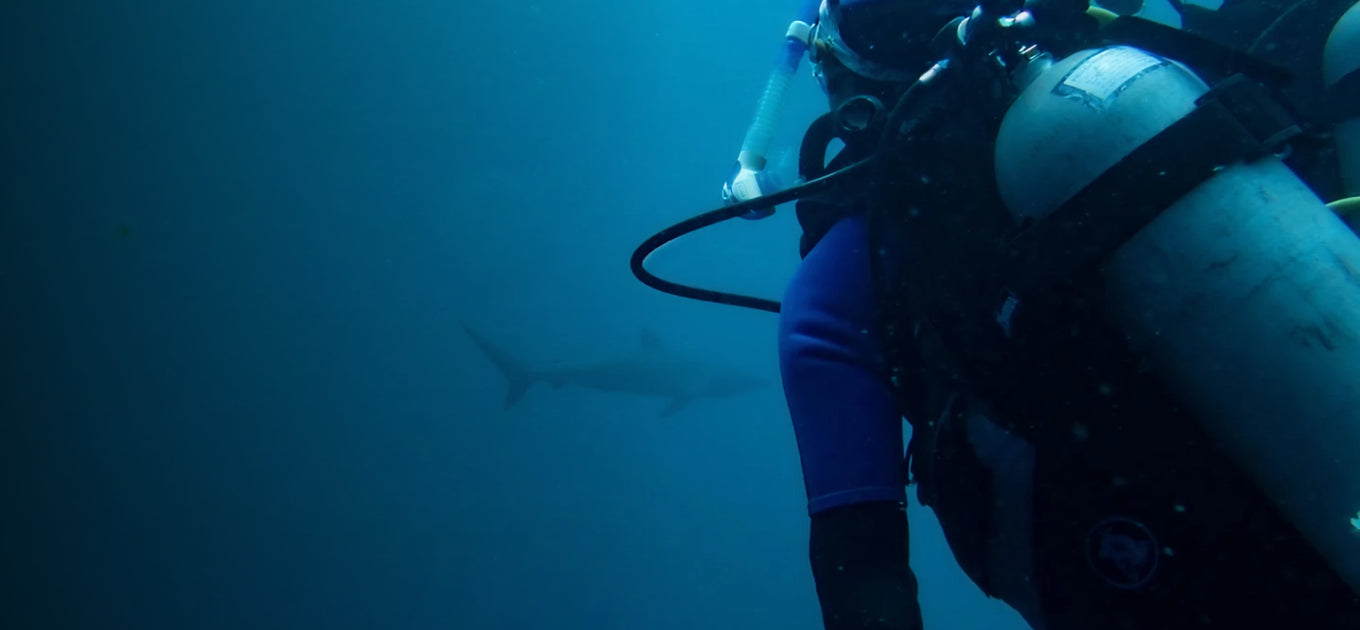
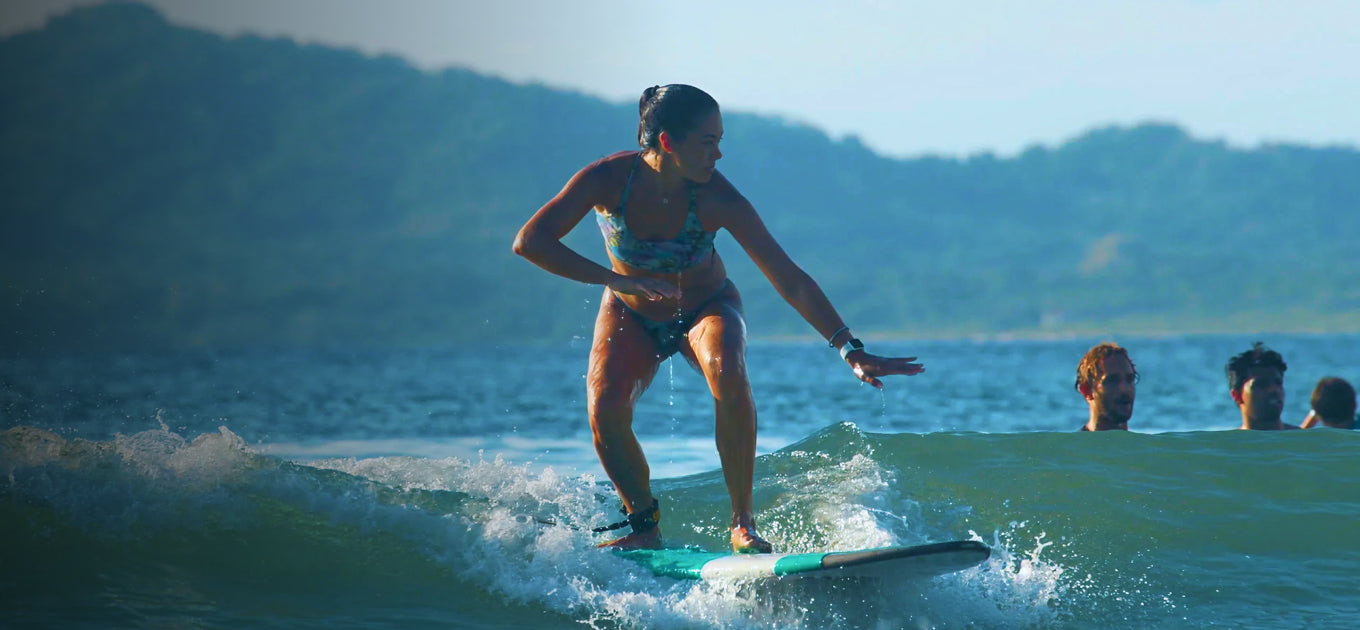
Shared Activity Focus: The best connections happen when you're all there for the same reason. Surf trips attract a different crowd than museum tours. Scuba diving trips filter for people comfortable with adventure and the ocean. The activity becomes your natural conversation starter.
Age Ranges Matter: Mixed-age groups can work, but 25-35 year olds tend to travel at the same pace, have similar energy levels, and relate to each other's life stage. It's not about being exclusionary — it's about maximizing compatibility.
Slow Travel Wins: One destination, one week minimum. You actually get to know people instead of just sitting next to them on buses between cities.
Top Small Group Adventure Travel Companies for Solo Travelers
FlashPack pioneered the "30s and 40s adventure travel" space. Their groups run 10-20 people, focus on active adventures, and attract professionals. Trips cost $1,800-$4,500. Strong safety protocols and experienced guides. The downside? Sometimes feels like a networking event with hiking boots.
Intrepid Travel offers genuinely small groups (2-12 people) across six continents. Their "Original" style trips attract more backpacker-minded travelers, while "Comfort" draws older crowds with bigger budgets. Prices range $800-$3,200. Solid safety record and local guides who know their stuff.
G Adventures keeps groups to 16 people max, often smaller. Their "18-to-Thirtysomethings" trips hit the sweet spot for solo travelers wanting to meet peers. $1,200-$3,800 range. They've mastered the logistics, though some trips can feel a bit formulaic.
REI Adventures caps groups at 14, focuses heavily on outdoor activities. Their guides are typically outdoor professionals, not just tour leaders. $2,500-$5,500 price range reflects higher-end accommodations and gear. Great if you want to level up your outdoor skills while traveling.
For surf and scuba specifically, Your Friends Are Boring runs creator-led trips to places like Tamarindo, Costa Rica ($1690) with 8-12 person groups focused entirely on one activity. The single-destination, hobby-based approach means everyone's there for the same reason.
Safety Protocols That Actually Matter in Small Groups
Local Guide + Trip Leader Model: The best operators pair an international trip leader (who knows the group dynamics) with local guides (who know the terrain, culture, and safety considerations). This isn't just about language — it's about having someone who can read both the group and the environment.
24/7 Emergency Support: Reputable operators maintain emergency phone lines staffed by people who can actually help — not just an answering service. They should have relationships with local hospitals, embassies, and evacuation services.
Activity-Specific Certifications: For adventure activities, guides should hold relevant certifications. PADI/SSI for diving, ISA for surfing, AMGA for climbing. Don't be shy about asking for credentials.
Group Communication Systems: WhatsApp groups, emergency contact protocols, and clear check-in procedures. Everyone should know how to reach the group if separated.
Insurance Requirements: Quality operators require comprehensive travel insurance and often provide supplemental coverage for high-risk activities.
Red Flags to Avoid in Small Group Adventure Travel
Vague Group Size Descriptions: "Small intimate groups" could mean anything. Demand specific numbers. If they can't tell you the max group size, walk away.
No Age Range Guidance: While age shouldn't be everything, operators who mix 22-year-old backpackers with 55-year-old luxury travelers often create awkward dynamics.
Generic Itineraries: If the same company runs identical trips to 47 countries, they're probably not specializing in anything. Look for operators who know their destinations deeply.
No Safety Protocols Listed: Professional operators are proud of their safety records and spell out their protocols. If you can't find safety information easily, that's a problem.
Reviews That Only Mention Logistics: Good reviews talk about group dynamics, connections made, and personal growth. If reviews only mention hotels and transport, the operator might be missing the human element.
How to Maximize Connections on Small Group Adventure Trips
Join Group Chats Early: Most operators create WhatsApp or Facebook groups before departure. Jump in, introduce yourself, share excitement about specific activities. This breaks the ice before you meet in person.
Room Pairing Strategies: Single supplements are expensive, but sharing with strangers is risky. Some operators offer "roommate matching" based on basic compatibility questions. It's worth paying for if available.
Volunteer for Planning: Offer to research restaurants, coordinate group dinners, or plan optional activities. People remember the person who made good things happen.
Stay Curious About Others' Stories: The accountant might also be a rock climber. The teacher might speak three languages. Adventure travel attracts interesting people — ask good questions.
Exchange Real Contact Info: Get people's actual phone numbers and social media before the trip ends. "We should definitely stay in touch" rarely happens without concrete contact information.
Budget Breakdown: What Small Group Adventure Travel Actually Costs
Budget Range ($800-$1,500): Intrepid's "Original" style trips, some G Adventures options, regional operators in Southeast Asia and Central America. Hostels/guesthouses, local transport, basic activities included.
Mid-Range ($1,500-$3,000): FlashPack's shorter trips, REI's domestic adventures, specialized operators like surf or dive-focused companies. Mix of hotels and unique accommodations, some meals, guided activities.
Premium ($3,000+): FlashPack's international expeditions, REI's international trips, luxury adventure operators. Higher-end accommodations, most meals, comprehensive activity packages, better guide-to-traveler ratios.
Remember to factor in flights, travel insurance, gear, and personal expenses. A $1,200 trip often becomes $2,500+ with all costs included.
Frequently Asked Questions
Q: What if I don't click with anyone in my small group?
A: It's rare in properly filtered groups, but it happens. Focus on the activities and destinations — you're getting an amazing experience regardless. Most people find at least 2-3 people they connect with in groups of 5-12.
Q: Are small group trips safe for solo female travelers?
A: Generally safer than independent travel, especially with reputable operators. The group provides built-in safety, guides know local situations, and there's always someone to check on you. Read recent reviews from solo female travelers specifically.
Q: How far in advance should I book?
A: Popular destinations and dates fill up 3-6 months ahead. Adventure trips in peak season (Patagonia in summer, Nepal in fall) book even earlier. Plus, early bird pricing can save you $200-$500.
Q: What's the best group size for meeting people?
A: 5-12 people consistently gets the best reviews for group dynamics. Smaller than 5 and you're extremely dependent on personality compatibility. Larger than 12 and you'll naturally split into subgroups.
Small group adventure travel works when it's designed around shared interests, appropriate group sizes, and genuine expertise. The right trip doesn't just show you amazing places — it introduces you to people who become part of your story long after you're home.


