


The group tours for solo travelers most likely to result in real friendships are hobby-based, single-destination, small-group formats: trips where 5 to 12 people spend 7 to 9 nights doing the same thing together every day, rather than moving between cities on a checklist. The format matters because shared activity, not proximity, is what creates connection: two people paddling out to the same break at 7 a.m. in Morocco have something to talk about that two people standing in the same queue for a cathedral do not. This kind of trip is best for solo travelers who want to come home with actual friends, not just photos.
There's a long list of ways to travel alone. The big bus tour. The hostel circuit. The Instagram solo trip where you take beautiful photos and eat dinner by yourself every night. All perfectly valid. But if what you're actually asking is how to leave alone and come back connected to people who get you, the answer is more specific than "book a group tour." The answer is: pick a trip built around one thing you genuinely love doing, and go do it with a small group of strangers who love it too.
Key Takeaways
- Group tours for solo travelers work best when the group is small (5 to 12 people) and organized around a shared hobby rather than a shared sightseeing itinerary.
- Hobby-based formats like surfing and scuba diving create faster, deeper connections because the activity itself breaks the ice and gives everyone a shared reference point.
- Single-destination, slow-travel trips consistently outperform multi-city tours for friendship-building because people actually have time to settle in and bond.
- Trip length matters: 8 days in one place is long enough for a real experience to unfold, short enough to take without blowing up your life back home.
- A creator-led trip with an engaged trip leader changes the social dynamic significantly compared to a bus tour with a microphone-toting guide.
What Makes Group Tours for Solo Travelers Actually Work for Meeting People?
A shared hobby is the single biggest predictor of whether you'll leave a group trip with real friendships. The research behind this goes beyond anecdote: in her 2018 book The Art of Gathering, Priya Parker argues that the most meaningful group experiences are built around a specific, intentional purpose, not just proximity. A trip organized around surfing or scuba diving gives everyone a purpose from day one. You're not just sharing a minibus with strangers. You're sharing wipeouts, dive briefings, post-surf meals, and the specific exhaustion of doing something physical in warm water all day.
Size matters just as much as purpose. Parker's research in The Art of Gathering identifies 5 to 12 people as the optimal range for genuine connection: small enough that nobody disappears into the back row, big enough for real variety. A group of 4 can feel claustrophobic. A group of 25 naturally fragments into cliques. The 5 to 12 range keeps everyone visible and forces a kind of friendly accountability that doesn't exist on larger tours.
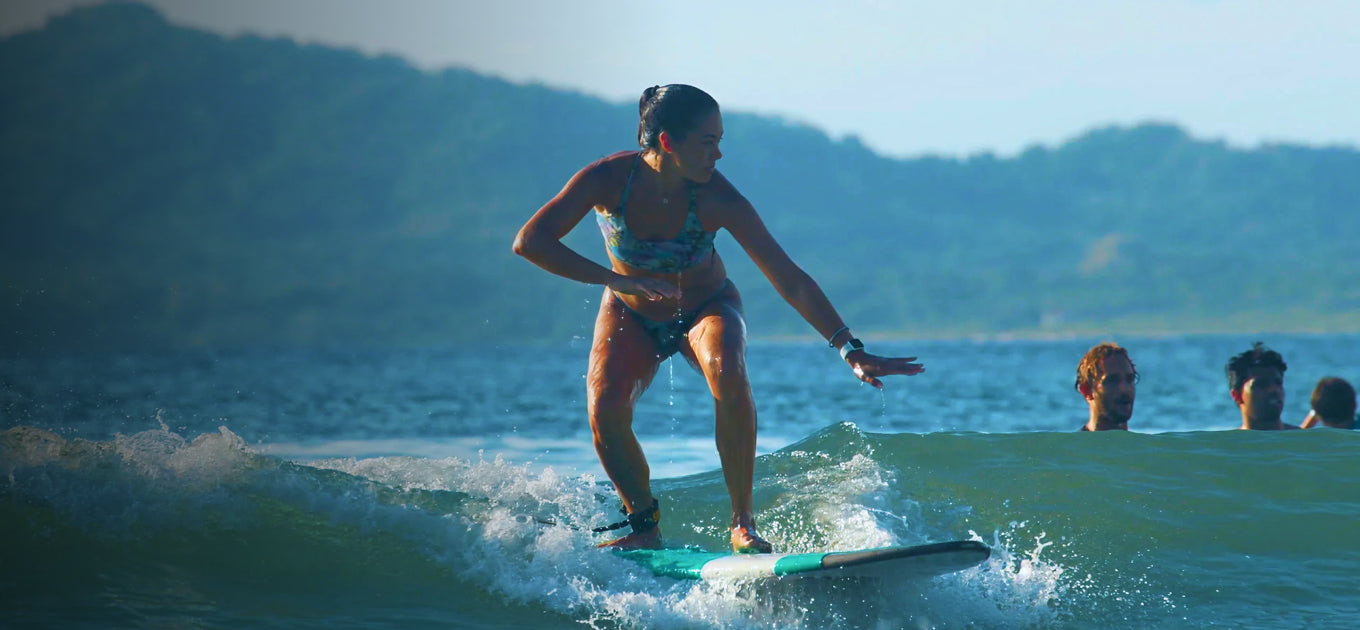
On our Taghazout surf trips, the group heads out for a morning session together and debrefs over breakfast afterward. By day 3, you already have 7 days of shared stories ahead of you. The bonding doesn't require effort. The structure does it for you.
Why Does Trip Format Matter More Than Destination?
Trip format determines whether connection is possible, and destination determines whether it's enjoyable. A multi-city bus tour hitting 6 countries in 10 days gives you the same problem every night: you've just arrived somewhere new, you don't know the streets, you're tired, and by the time you feel comfortable the bus is already leaving. There's no accumulation of shared experience. Each day resets.
Single-destination, slow-travel group tours invert this completely. By staying in one place for a full week, the group develops a rhythm. You know the walk to the break. You know who wakes up early, who needs coffee first, who wants to go again after lunch. According to Hostelworld's 2024 Solo Travel Report, 72% of solo travelers say the relationships they value most from group travel came from trips where they stayed in one place for more than 5 nights. The data matches the logic: roots before relationships.
Destination still matters, of course. A surf town with consistent waves, a reef with visibility measured in meters, a coast that looks like a screensaver. But the format is doing the heavier structural work.
How Do Different Types of Group Tours for Solo Travelers Compare?
| Format | Group Size | Duration | Destinations | Hobby Focus | Best For |
|---|---|---|---|---|---|
| Hobby-based surf trip (single-destination) | 5-12 incl. trip leader | 8 days / 7 nights | Taghazout, Tamarindo, El Zonte | Surfing (all levels) | Solo travelers who want a skill and a social life from one trip |
| Hobby-based scuba dive trip (single-destination) | 5-12 incl. trip leader | 8 days / 7 nights (Moalboal: 10 days / 9 nights) | Dahab, Los Cabos, Moalboal | Scuba diving (beginner to advanced) | Solo travelers who want depth, literally and socially |
| Multi-city bus tour | Often 20-40+ | Varies (often 10-14 days) | Multiple cities / countries | Sightseeing | Travelers who want maximum coverage, less depth |
| Hostel-based solo backpacking | No fixed group | Open-ended | Self-directed | None fixed | Travelers comfortable with high uncertainty and low structure |
| All-inclusive resort (solo) | No fixed group | Varies | Resort-based | None structured | Travelers who want rest over connection |
Does the Activity Type Change How Quickly You Bond With the Group?
Yes, and the difference between active-hobby trips and sightseeing tours is significant. Physical activities performed together in unfamiliar environments create what psychologists call "shared vulnerability": everyone is a bit scared, a bit out of their comfort zone, and watching each other figure it out. According to research published by the American Psychological Association, shared novel challenges increase interpersonal trust and liking more rapidly than passive shared experiences.
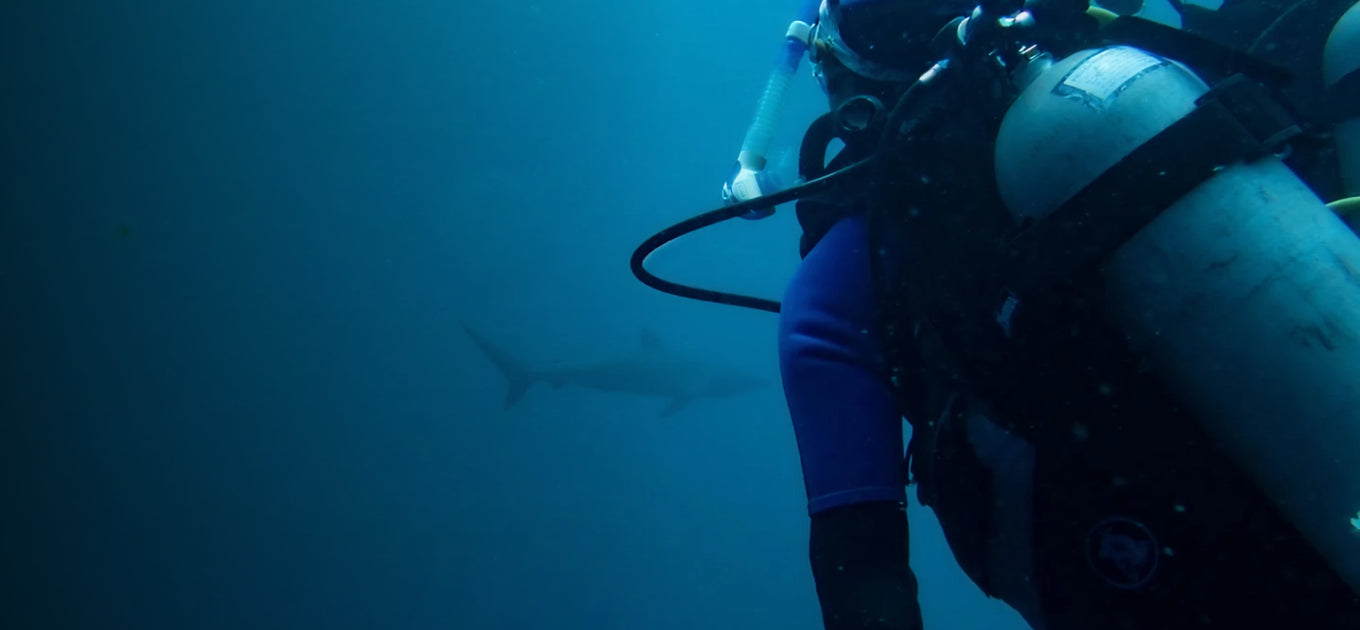
Surfing and scuba diving are both unusually good at this. Surfing means you spend the whole day watching each other try, fail, laugh, and occasionally do something brilliant. The wave doesn't care about your job title or your LinkedIn profile. Scuba diving means you're physically dependent on your buddy underwater, which creates a kind of trust that small talk simply cannot manufacture. The International Surf Association notes that surf instruction groups create particularly high retention of social connections because participants associate their progress with the people they were in the water with.
On our Los Cabos dive trips, groups regularly dive twice a day and share a dive briefing before each one. By night 2, you've already spent more genuine face time with these people than you would in a month of casual social events back home.

What Should You Look for in a Group Tour if You're Traveling Solo?
Four things separate group tours that produce friendships from group tours that produce polite memories of strangers.
One: a fixed, small group. Not a rolling roster of people joining and leaving. A set group that starts together, stays together, and finishes together. This matters because connection needs continuity.
Two: a real trip leader, not a logistics coordinator. A creator-led trip where the leader is genuinely invested in the group's social experience is structurally different from a tour guide with a flag. The leader sets the tone, creates moments, and makes sure nobody falls through the cracks. Lonely Planet has consistently cited leader quality as the most mentioned factor in positive group travel reviews.
Three: shared daily activity with natural downtime around it. The activity creates the bond. The downtime is where it deepens. Two surf sessions and a shared dinner is more socially productive than a packed itinerary of scheduled fun.
Four: a mix of people who all came alone. When the majority of a group are solo travelers, the social dynamic levels instantly. Nobody is the odd one out. Everyone is equally available, equally motivated to connect. According to Condé Nast Traveler's 2023 solo travel survey, solo travelers on group trips where most participants were also solo rated their social experience significantly higher than those on trips where couples or pre-formed friend groups dominated.
YFAB builds all six of its trips around these four principles. Our trips are designed to bring together anyone looking to leave their town for a bit and see the world. Most of our travelers are between their mid-20s to mid-30s but we've had people joining from all walks of life. If you're on the fence about a Tamarindo surf trip or any of the other five destinations, the format is doing the work you might be worrying about doing yourself.
For a broader look at what makes solo travel work socially, see our guide to ways to meet people when traveling alone.

Frequently Asked Questions
What are the best group tours for solo travelers who want to make real friends?
The best group tours for solo travelers wanting real friendships are small-group (5 to 12 people), single-destination, hobby-based trips lasting at least 7 nights. Shared daily activity, a fixed group from start to finish, and a genuinely engaged trip leader are the three structural ingredients that make deep connection likely rather than accidental.
Do I need experience to join a group surf or dive trip as a solo traveler?
No prior experience is required for most group surf or dive trips. YFAB's surf trips cater to complete beginners through to improvers, and its dive trips offer beginner options including PADI Open Water certification. The learning curve is actually a social asset: everyone is figuring it out together, which accelerates bonding faster than a trip where everyone already knows what they're doing.
How big should a group tour be for solo travelers to actually meet people?
5 to 12 people, including the trip leader, is the ideal size for genuine connection. Priya Parker's The Art of Gathering (2018) identifies this as the range where everyone stays visible and relationships can't be avoided in the best possible sense. Groups over 20 tend to fragment into sub-groups; groups under 5 can feel pressured.
Is 7 nights long enough to form real friendships on a group tour?
Seven nights in one place, doing the same activity every day, is genuinely enough. The density of shared experience on a hobby-based trip compresses the social timeline significantly. By night 3 most people feel like they've known the group for weeks, because they've already been through shared highs, shared struggles, and shared meals daily since arrival.
Are group tours for solo travelers different from solo backpacking?
Yes, structurally and socially. Solo backpacking gives you maximum freedom and minimum guaranteed connection: you meet people, but continuity is rare. Group tours give you a fixed community from day one, which means relationships can actually develop over the course of the trip rather than starting and ending at a hostel common room. The trade-off is structure for certainty of connection.
What destinations are good for solo travelers on group surf or dive trips?
Taghazout in Morocco, Tamarindo in Costa Rica, and El Zonte in El Salvador are the standout destinations for group surf trips, offering consistent waves for all levels and a social atmosphere built around the water. For scuba diving, Dahab in Egypt (Red Sea reefs), Los Cabos in Mexico (Sea of Cortez sea lions and walls), and Moalboal in the Philippines (sardine run, coral walls on a 10-day trip) are all exceptional settings for small-group diving.
Can solo travelers join group tours without feeling like a third wheel?
On a trip where most or all participants are also traveling alone, there is no third wheel dynamic. The level playing field is one of the most underrated features of solo-heavy group trips: everyone arrived the same way, with the same openness to connection, and nobody has a pre-existing partner or friend group to retreat to at the end of the day.


